Your region changed. Please be aware that prices, taxes and shipping-costs may be different now!

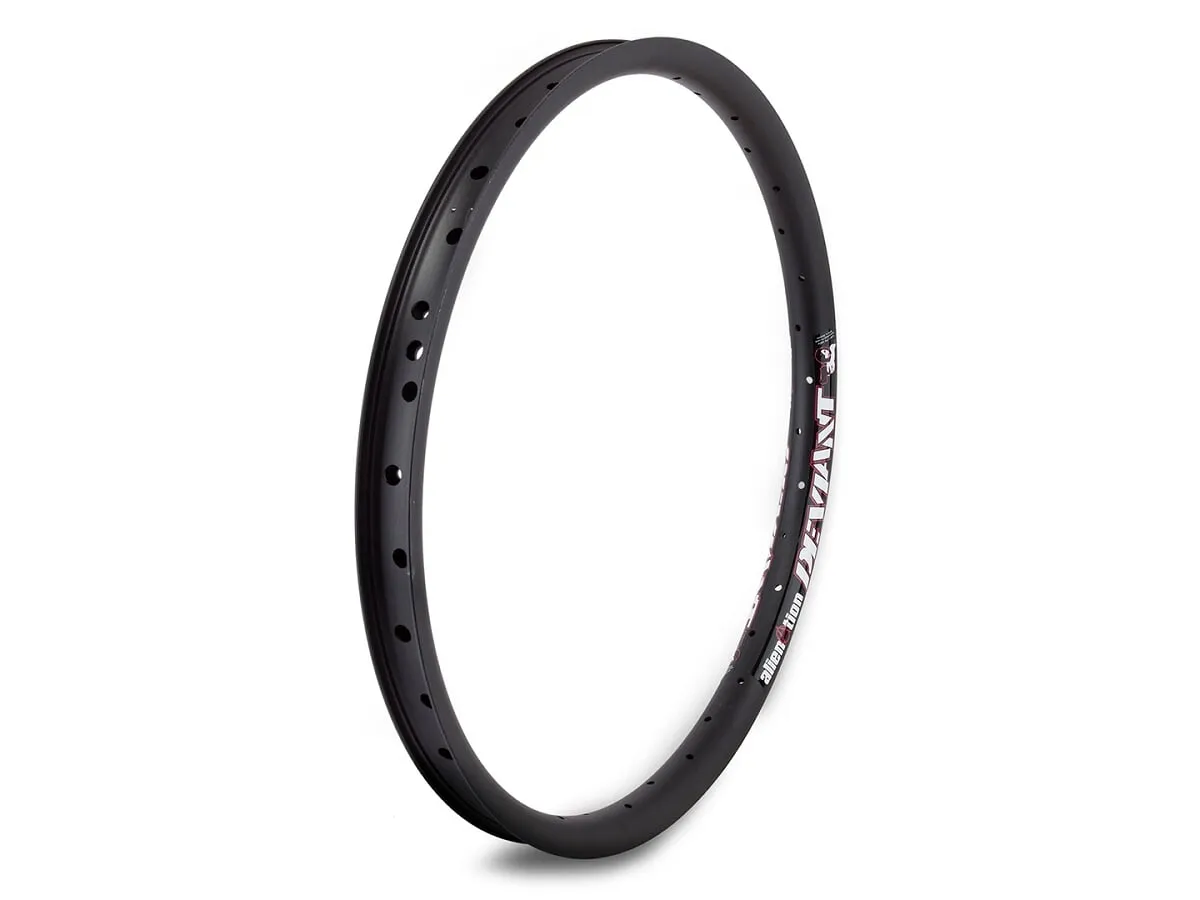
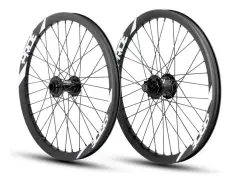
BMX Race Rims

Build the ultimate wheelset with high-end BMX Race Rims. The choice is critical: Do you need a 451mm (Mini/Junior) rim for narrow tires or a robust 406mm (Pro) rim for maximum traction? Check our detailed size guide below (including OS20 & ETRTO) to match your Tires perfectly.
BMX Race Rims FAQ

BMX Race Rims Range

  • Manufacturer
  • Color
  • Wheel Size
  • ETRTO ∅
  • Rim Width
  • Holes

BMX Race Rims FAQ

What is a BMX Race Rim and what makes it special?

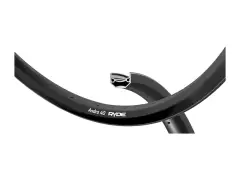
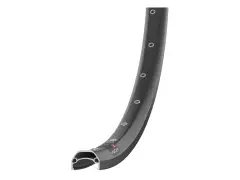
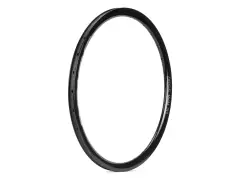
The Race Rim is the outer ring of your wheel and defines the tire size and stability. Unlike freestyle rims, race rims are designed for the best possible Stiffness-to-Weight Ratio. Every gram saved on the rim reduces rotational mass, making your acceleration out of the gate significantly faster. Modern rims are often "Tubeless Ready" or specifically optimized for disc brakes (without brake tracks).
How is a BMX Race Rim constructed?

Double Wall
The standard for race rims. Two layers of material providing high stiffness and stability against impacts.
Brake Surface (Flanks)
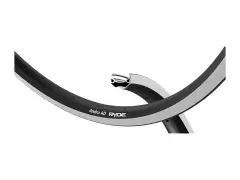
Machined (Silver): For rim brakes. The CNC-machined surface ensures optimal braking power.
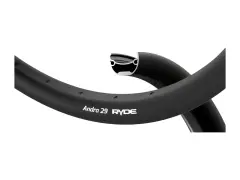
Disc Specific: No brake track. Clean look and aerodynamic shape, designed exclusively for disc brake hubs.
Eyelets
Metal inserts in the spoke holes that reinforce the rim and prevent the spoke nipples from pulling through under high tension.

Overview Table: BMX Race Rim Sizes & Use Cases

Key measurements for BMX race rims include the ETRTO diameter (e.g. 406mm or 451mm) and the rim width, which determines which tires will fit. Below is an overview of the most common combinations used in BMX racing.

Category Wheel Size ETRTO Ø Rim Width (external) Typical Tire Width Use Case
Micro / Mini 18" 355mm approx. 18–21mm 18" x 1.00" – 18" x 1.25" Smallest riders, ultra-light setups
Junior / Expert 20" (JR/EXP) 451mm approx. 19–22mm 20" x 1-1/8" – 20" x 1-3/8" Kids & teens, race-optimized
Standard 20" 20" 406mm approx. 25–32mm 20" x 1.40" – 20" x 2.10" Standard race setups, wider tires possible
OS20 20" (OS20) 451mm approx. 23–28mm 20" x 1.60" – 20" x 1.75" Taller riders, high-volume race setups
Cruiser 24" 507mm approx. 25–32mm 24" x 1.75" – 24" x 2.10" BMX cruiser class, youth & adults

Technical Definitions: ETRTO & ERD

ETRTO (European Tyre and Rim Technical Organisation)
A standardized size specification ensuring compatibility. The number consists of two parts (e.g., 16-451):
  • First number (16) = Tire width in mm.
  • Second number (451) = Inner diameter of the rim in mm (where the tire seats).
Tip: In our shop, filter by "ETRTO Diameter" to find the right rim.
ERD (Effective Rim Diameter)
The "Effective Rim Diameter" is the diameter of the rim base measured between opposite spoke holes. This value is essential for calculating spoke length. It tells you how long the spokes need to be to reach through the rim.

Special Focus: OS20 – 20" but Bigger!

What is OS20?
OS20 is a 20-inch BMX wheel size with a larger diameter of 451 mm (compared to the usual 406 mm for 20"). It offers similar widths to standard 20" race wheels.

Are OS20 tires and rims compatible with Expert sizes?
No. OS20 tires and rims are not compatible with the narrower 451mm rims used in Junior/Expert setups.

Is OS20 allowed in BMX racing?
Yes, OS20 wheels and tires comply with UCI BMX sizing regulations for 20".

What parts do I need for OS20?
You will need an OS20-specific frame, OS20 wheels, and OS20 tires (including OS20 rim tape and OS20 tubes). Many standard 20" forks are compatible.

What are the advantages of OS20?
OS20 rolls faster and carries momentum better due to a stiffer tire casing and smaller contact patch. This can translate into higher top speed and improved efficiency when maintaining speed.

Which materials are used?

Aluminum 6061-T6
The reliable standard. Light, stiff, and affordable.
Carbon Fiber
The High-End choice. Extremely stiff and ultra-light. Carbon rims transfer power more directly than aluminum but are significantly more expensive.

How do I assemble a wheel?

  1. Calculate Spoke Length: Use the ERD of the rim and the flange dimensions of your Hub.
  2. Lacing: Insert the Spokes according to the desired pattern (usually 3-cross for Pro, sometimes radial for Mini fronts).
  3. Tensioning: Tighten the nipples evenly. A true race wheel needs high, even spoke tension for direct power transfer.
  4. Truing: Eliminate lateral and vertical wobbles.

What do the specifications mean?

Specification Explanation Examples/Available
ETRTO Exact diameter in mm (see definition above). 406mm (Pro), 451mm (Junior/OS20)
Hole Count Number of spokes. Must match the hub. 28H, 36H
Valve Type Hole size for the valve. AV (Schrader), SV (Presta)
Brake Type Sidewall design. Machined (Rim Brake), Disc (No Track)

Recently Viewed Products