

BMX Product Comparison
Compare BMX bikes and parts side by side. Browse our shop, click the compare icon on up to 5 products, and see all technical details clearly next to each other.
BMX Product Comparison FAQQuick Start: Popular Categories
Choose a category to add products for comparison. You can also compare BMX entry-level, mid-range and high-end bikes against each other.
Frequently compared
-
BSD "Grime" 2022 BMX Frame vs Fit Bike Co. "Shortcut" BMX Rahmen
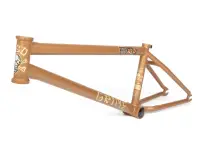
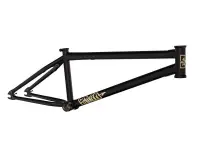
-
Fiend BMX "Palmere V4" Pivotal Seat vs Federal Bikes "Logo Stealth" Pivotal Seat
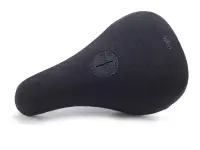
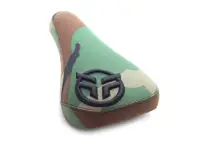
-
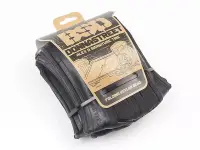
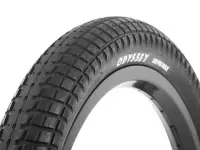
BSD "Donnastreet Kevlar" BMX Tire (foldable) vs Odyssey BMX "Aitken" BMX Tire
-
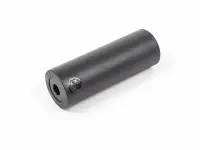
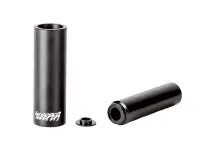
BSD "Rude Tube" Peg vs Fit Bike Co. "Ethan Sleeper CrMo" Peg + Sleeve - 4.25" (Length)
-
Odyssey BMX "Boss V2" Topload Stem vs BSD "Dropped" Frontload Stem
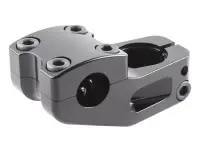
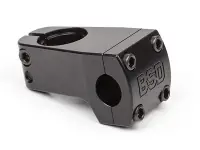
-
Fit Bike Co. "Blade V3" BMX Fork vs Odyssey BMX "R15" BMX Fork
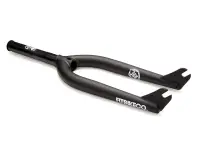
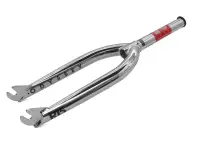
-
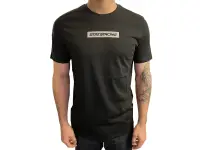
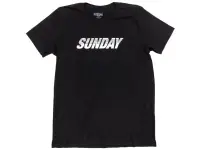
Stay Strong "Word Box" T-Shirt - Black Reflective vs Sunday Bikes "Shredd" T-Shirt - Black
-
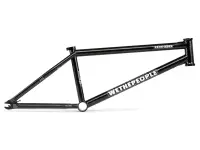
Fit Bike Co. "Shortcut" BMX Rahmen vs wethepeople "Pathfinder" BMX Frame
-
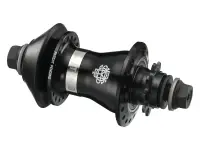
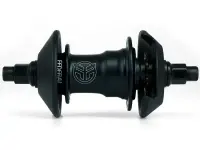
Odyssey BMX "Clutch V2" Freecoaster vs Federal Bikes "Motion" Freecoaster
-
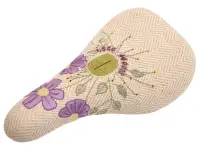
Federal Bikes "Logo Stealth" Pivotal Seat vs Odyssey X Bloom "V2 Slim" Pivotal Seat - Cream Herringbone
-
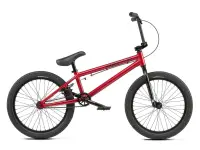
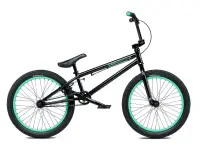
Radio Bikes "Dice 20" BMX Bike - Candy Red vs Radio Bikes "Saiko 20" BMX Bike - Black/Turquoise +1 more
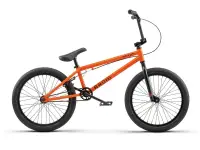
-
Odyssey BMX "Hazard Lite X Vandero Pro" Front Wheel vs Demolition "Whistler X Team Plus" Front Wheel
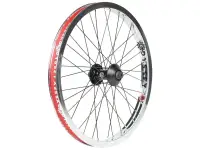
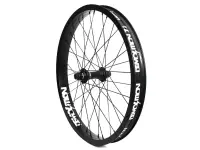
BMX Product Comparison FAQ
How does this product comparison work?
Easy: Browse our shop and click the compare icon (bar chart icon) on the top right of product images. You can compare up to 5 products from the same category. A bar appears at the bottom of the screen with your selected products. Click "Compare now" to see all technical details side by side.
Which BMX is right for me?
Before diving into technical details, you need to choose your discipline. A freestyle bike is not suited for racing and vice versa. Since we already have detailed FAQs and buying guides in the respective main categories, choose your path here:
BMX Freestyle
Disciplines: Street, Park, Dirt, Flatland
Want to learn tricks, ride skateparks, grind rails or hit dirt jumps? Then you need a robust freestyle BMX (usually steel/CrMo).
BMX Race
Disciplines: Race track, time trials, pump track
Want to race against others on a track for the best time? Then you need a race BMX. These are optimized for lightweight construction (aluminum/carbon) and speed.
What BMX size do I need?
BMX bikes are offered in different top tube lengths. Depending on your body height and riding style, the top tube length has a significant impact on the overall ride feel and control during tricks or races. You can find size charts for reference in the FAQ of the respective categories, for example:
What is the difference between Hi-Ten Steel and CrMo?
Hi-Ten (High Tensile Steel) is cheaper but heavier and less stable under heavy stress. CrMo (Chromoly/4130) is a steel alloy that is lighter and significantly more stable - ideal for tricks and intensive riding in parks or on the street. The price difference is especially worth it if you want to jump higher or use the bike longer.
What should I look for with bearings?
There are two main types: Loose Ball Bearings (open bearings) are cheaper but require regular maintenance. Sealed Bearings (industrial bearings) are low-maintenance and more durable. In the comparison, look for terms like "sealed" or "industrial bearings" for headset, bottom bracket, and hubs.
What brake types are used on BMX bikes?
Different brake systems are used depending on the riding discipline:
| Brake Type | Used On | Characteristics |
|---|---|---|
| U-Brake | BMX Freestyle | Compact, lightweight, mounts under chainstays. Ideal for tricks like barspins as it stays out of the way. Standard on freestyle bikes. |
| V-Brake | BMX Race | Strong braking power through long lever arms. Mounts on seatstays. Lighter than disc brakes. Optimal for quick stops on the race track. |
| Caliper | BMX | Simple, lightweight design. Often found on old school bikes and as front brakes on complete bikes. |
| Disc Brake | BMX Race | Maximum braking power, works well in wet conditions. Common on high-end race bikes. Heavier and more complex. |
Tip: Many freestyle riders go "brakeless" for maximum freedom during tricks. However, beginners should always start with brakes!