

BMX Race Bottom Brackets
Minimize friction and maximize speed with a premium BMX Race Bottom Bracket. Whether your frame requires a classic Euro (BSA) threaded unit or a modern Press-Fit (BB86) system, we have the smooth-rolling bearings you need. Check our compatibility guide below to match your frame and crank axle size.
BMX Race Bottom Brackets FAQBMX Race Bottom Brackets Range
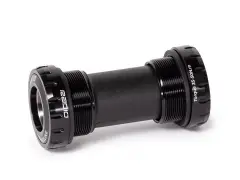

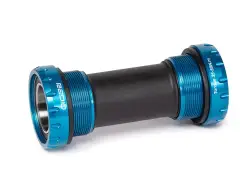


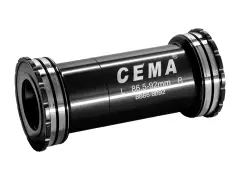
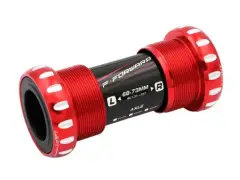
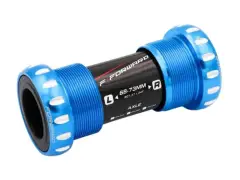
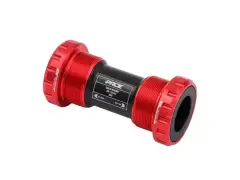
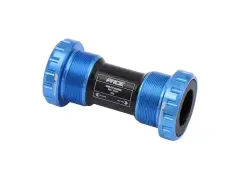
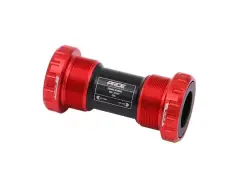
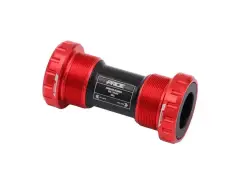
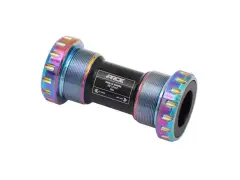
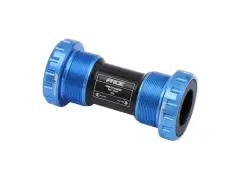
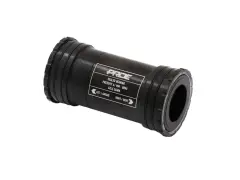

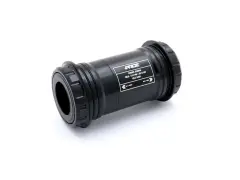
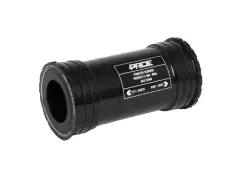
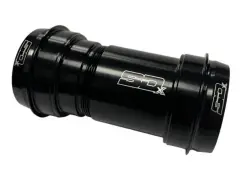
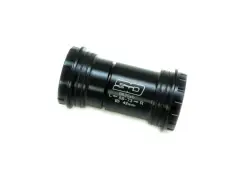
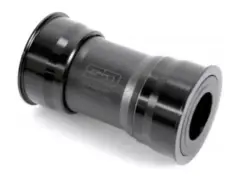
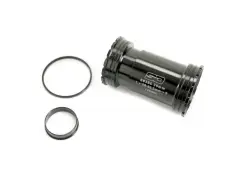
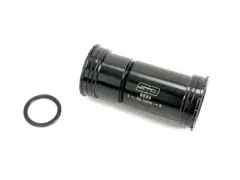
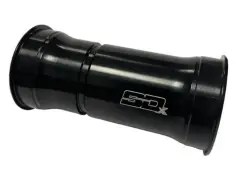
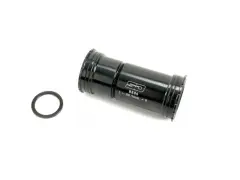
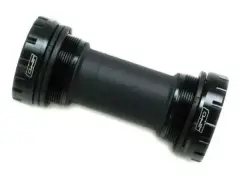
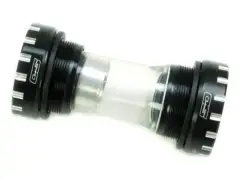
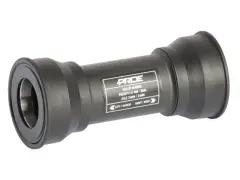
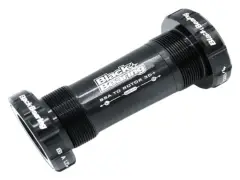
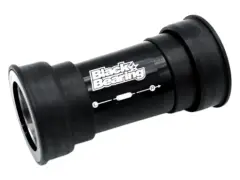
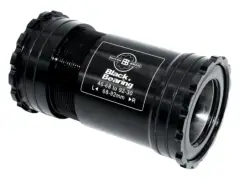
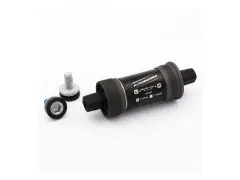
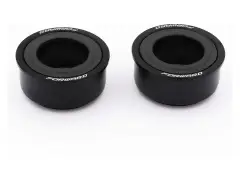
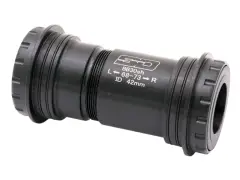
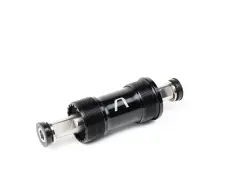
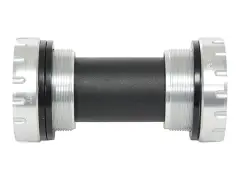
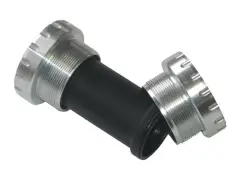
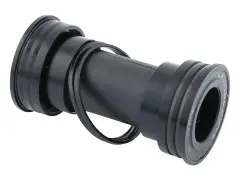
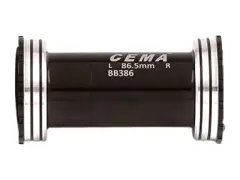
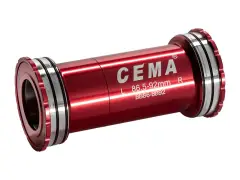
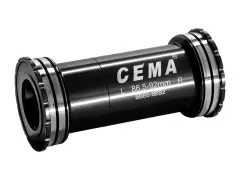
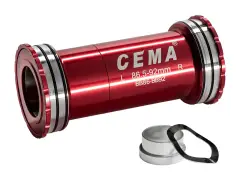
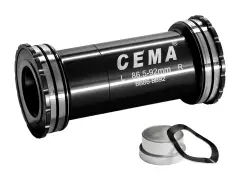
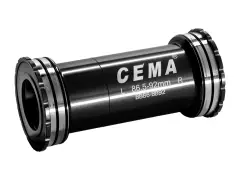
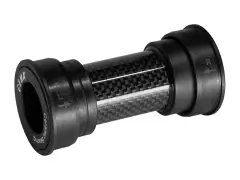
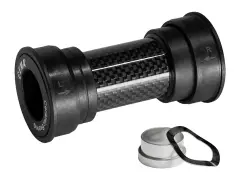
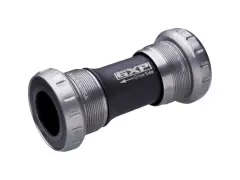
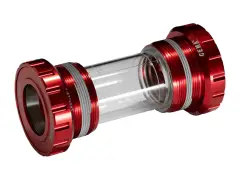
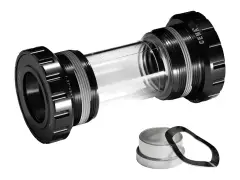
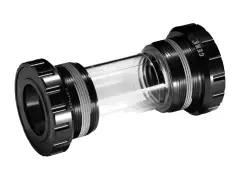
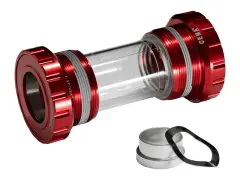
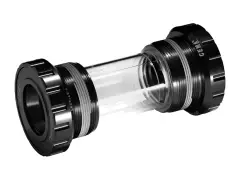
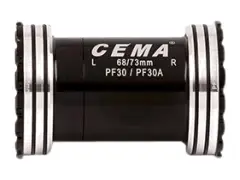
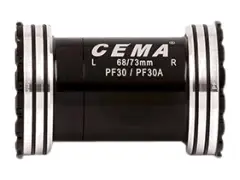
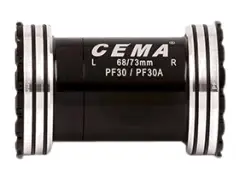
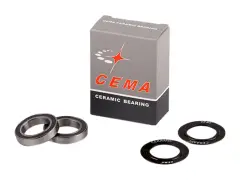
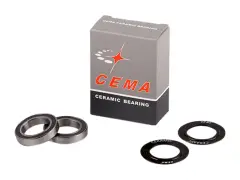
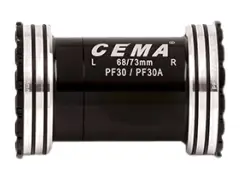
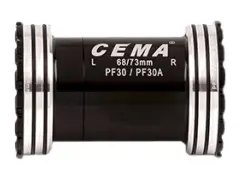


BMX Race Bottom Brackets FAQ
What is a BMX Race Bottom Bracket and what is its main purpose?
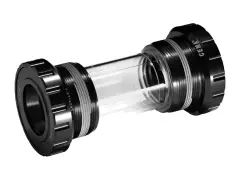
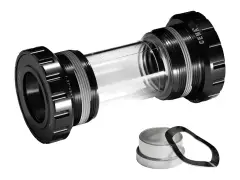
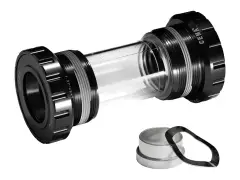
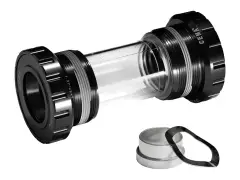
The Bottom Bracket (BB) consists of the bearings that allow your cranks to spin. In BMX Racing, "spin to win" is real: High-quality bottom brackets are designed for minimal rolling resistance to ensure no power is lost to friction. Unlike freestyle BBs (which take heavy impacts), race BBs prioritize smoothness, weight, and precise chainline alignment.
How is a BMX Race Bottom Bracket constructed?
- Cups
- The metal shells that hold the bearings. They are either threaded into the frame (Euro) or pressed in (Press-Fit).
- Bearings
- Sealed industrial bearings (Cartridge) that carry the load. In racing, these are often lighter and smoother running.
- Center Sleeve
- A plastic tube between the cups that protects the bearings from dust and water inside the frame.
- Spacers
- Rings used to adjust the width and chainline.
What types of BMX Race Bottom Brackets are there?
Your frame determines which type you need. There are two dominant standards in racing:
- Euro BB (BSA/Threaded): The classic standard. The frame has threads. Common on Junior/Expert bikes and many alloy frames.
- Press-Fit (BB86/PF30): The modern standard for high-end aluminum and carbon frames (like Meybo). The cups are pressed into a smooth frame shell (usually 41mm or 42mm diameter).
What materials are used?
- Aluminum Cups
- Standard for keeping weight low.
- Steel Bearings
- Robust and reliable standard bearings.
- Ceramic Bearings
- High-End upgrade. Ceramic balls are harder, rounder, and lighter than steel, offering significantly less friction for maximum speed.
Which Bottom Bracket is right for my bike?
You need to know two things: Your Frame Shell Type and your Crank Axle Diameter.
| Frame Shell | Required BB Type | Typical Crank Axle |
|---|---|---|
| Threaded (BSA) | Euro BB (External) | 24mm (Shimano DXR style) |
| Smooth 41mm (Press-Fit) | BB86 / Press-Fit 86 | 24mm (Standard Race) |
| Smooth 42mm (BB30) | BB30 | 30mm (Specific stiff cranks) |
| Square Taper (Old/Mini) | Euro Internal | Square Taper (Mini/Junior cranks) |
How do I install a BMX Race Bottom Bracket?
- Preparation: Clean the frame shell. For Euro BBs, grease the threads. for Press-Fit, use a little assembly paste.
- Spacers: Check the instructions! Usually, you need spacers behind the cups to achieve the correct width (mostly 68mm) and chainline.
- Euro BB: Screw in the cups. Caution: The Drive-Side (Right) usually has a Left-Hand Thread (turn counter-clockwise to tighten).
- Press-Fit: Use a bearing press tool to push the cups in evenly. Do not use a hammer directly on the bearings!
- Insert the crank and tighten it according to manufacturer specs.
How do I maintain my bottom bracket?
- Spin Test: Remove the chain and give the crank a spin. It should rotate freely and silently. If it feels "gritty" or stops quickly, the bearings are worn.
- Avoid Pressure Washers: Never spray water directly at the BB. It forces grease out and water in.
How do I identify and fix common problems?
- Creaking noises: Often caused by dry threads or loose cups. Remove, clean, regrease, and reinstall.
- Side-to-side play: The crank moves laterally. You are likely missing a spacer, or the preload bolt is not tight enough.
What do the specifications mean?
| Specification | Explanation | Examples/Available |
|---|---|---|
| Axle Diameter | Must match your crank spindle. | 24mm (Standard), 30mm |
| Shell Width | Width of the frame housing. | 68mm (Euro Standard), 86mm (Press-Fit) |
| Bearing Type | Material of the balls. | Steel, Ceramic (High End) |