
BMX Race Forks
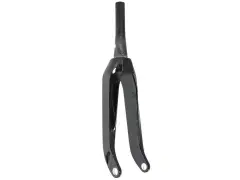
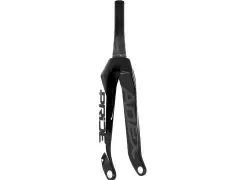
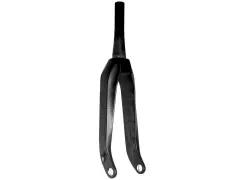
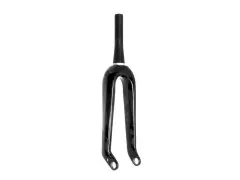
Every gram counts for the holeshot. Whether ultra-light carbon or proven CrMo steel - here you will find the fork that translates your steering impulses precisely. Pay attention to the correct axle diameter (10mm or 20mm) and the matching steerer tube for your frame.
BMX Race Forks FAQBMX Race Forks Range
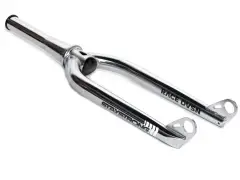
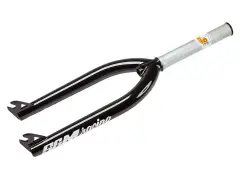
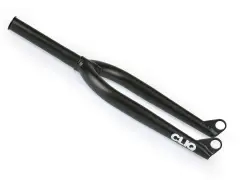
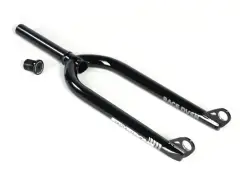
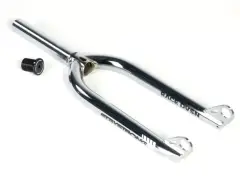
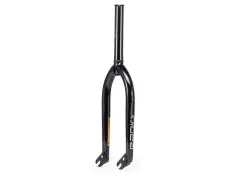
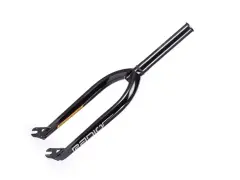
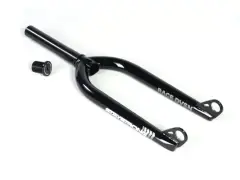
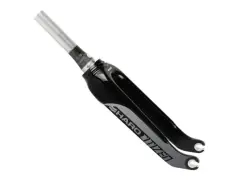
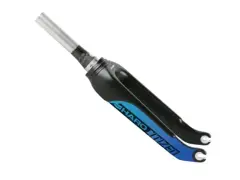
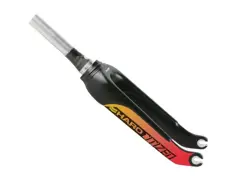
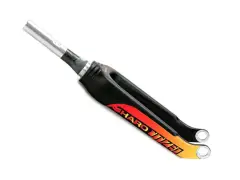
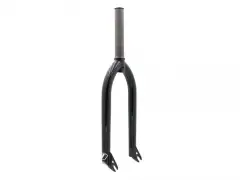
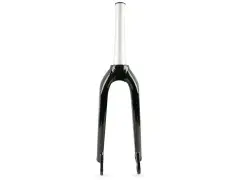


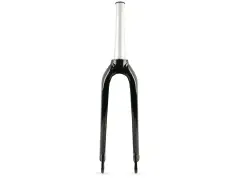
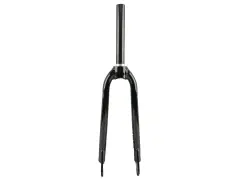
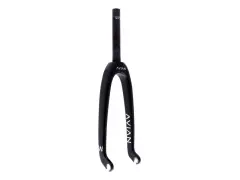
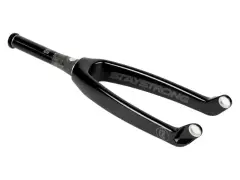
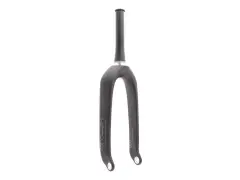
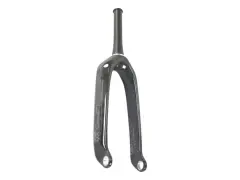
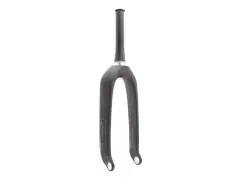
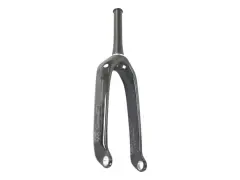
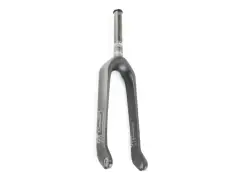
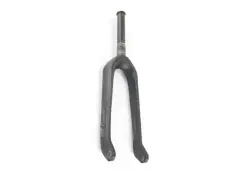
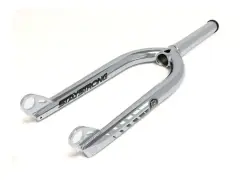
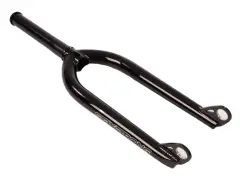
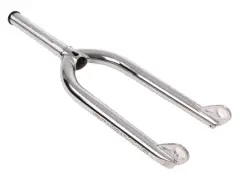
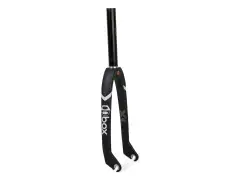
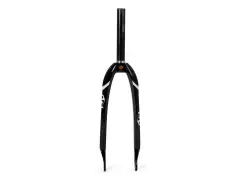
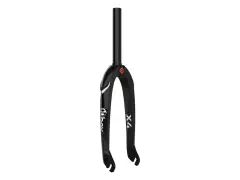
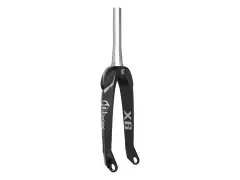


BMX Race Forks FAQ
What is a BMX Race Fork and what is its main purpose?
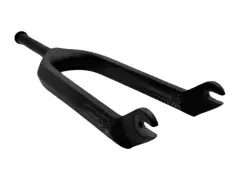
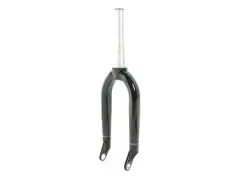
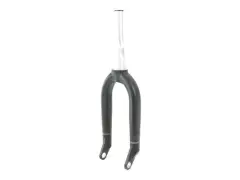
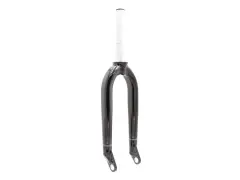
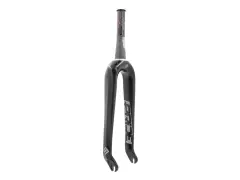
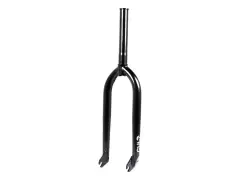
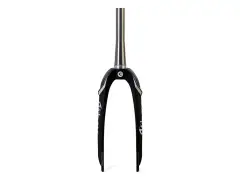
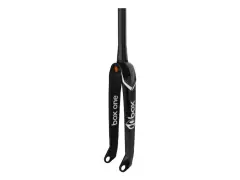
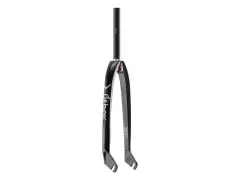
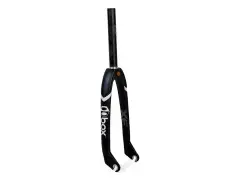
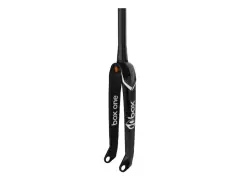
The BMX Race Fork connects your front wheel, frame, and handlebars. Unlike freestyle forks, the focus here is strictly on weight reduction and stiffness to transfer power to the track without loss during the start. It significantly determines the steering behavior on the race track.
How is a BMX Race Fork constructed?
- Steerer Tube
- The tube that goes through the frame. Often made of Alloy or Carbon in racing. Available in standard 1 1/8" and Tapered (conical) versions.
- Legs
- These support the wheel. On carbon forks, they are often aerodynamically shaped to minimize air resistance.
- Dropouts
- The mount for the hub. The choice between 10mm and 20mm is crucial for compatibility here.
What types of BMX Race Forks are there?
The distinction is primarily made via material and axle diameter:
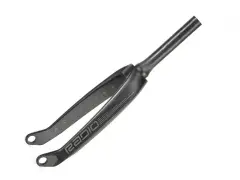
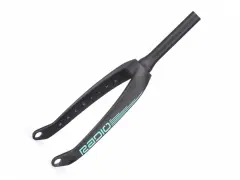
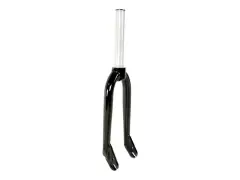
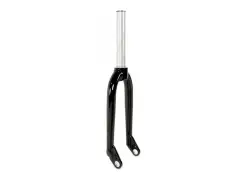
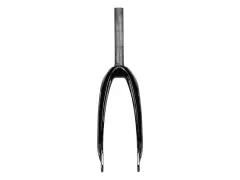
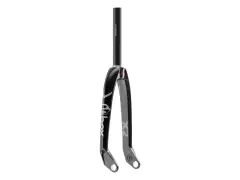
- Carbon Forks: The standard in pro sports. Extremely light and stiff. They absorb vibrations well but are more sensitive to impacts (crashes).
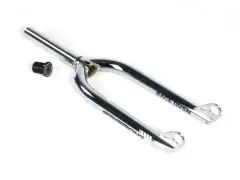
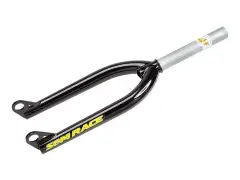
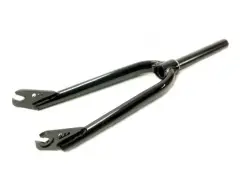
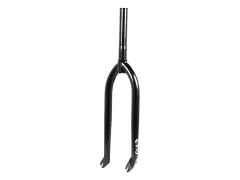
- CrMo Forks: Made of 4130 Chromoly steel. Slightly heavier, but very robust and durable in crashes. Ideal for beginners and training.
- 20mm vs. 10mm: Modern high-end forks often use 20mm thru-axles for more stiffness in corners. The classic standard is 10mm.
What materials are used in BMX Race Forks?
- Carbon Fiber
- Offers the best weight-to-stiffness ratio. Laminated in molds.
- 4130 CrMo Steel
- The classic. Tough, elastic, and forgiving. Often heat-treated for more stability.
- Aluminum
- Often used for the steerer tube on carbon forks, rarely for the entire fork (as alloy fatigues faster than steel or carbon).
Which BMX Race Fork is the right for my needs?
Your choice depends on your frame (head tube), your hub, and your budget.
| Rider Type | Recommendation | Special Feature |
|---|---|---|
| Beginner / Training | 100% CrMo Fork | Robust, durable, affordable. Forgiving of riding errors. |
| Advanced / Racer | Carbon Fork (10mm) | Significant weight savings, precise steering. |
| Pro / Elite | Carbon Fork (20mm Tapered) | Maximum stiffness for explosive starts. Requires matching frame & hub. |
How do I mount a BMX Race Fork?
- Carefully tap the fork race (part of the headset) onto the steerer tube (often integrated or slotted on carbon forks).
- Grease the bearing cups in the frame and insert the fork.
- Install the stem and any spacers.
- Tighten the top bolt hand-tight until there is no play in the bearing, but the fork still turns easily.
- Only then tighten the side clamping bolts of the stem.
How do I maintain and care for a BMX Race Fork?
- Carbon Check: Inspect carbon forks for cracks or chips after every crash. Damaged carbon can break suddenly!
- Regularly clean the dropouts of dirt.
- Check regularly if the headset has play ("wobbling" when braking).
How do I identify and fix common problems with my BMX Race Fork?
- Fork wobbles: Loosen the stem, retighten the top bolt slightly, tighten the stem again.
- Clicking when steering: Often a lack of grease on the fork race or worn bearings.
What do the specifications mean for BMX Race Forks?
| Specification | Explanation | Examples/Available |
|---|---|---|
| Dropouts | The diameter of the mount for the wheel axle. | 10mm (3/8"), 20mm (Thru-Axle) |
| Offset | Distance from axle center to steering axis. Determines agility. | 30mm, 32mm (Standard in race for stability) |
| Steerer Tube | Diameter of the tube top/bottom. | 1 1/8" (Standard), Tapered (1.5" to 1 1/8") |
| Material | The material of the fork. | Carbon, 4130 CrMo, Aluminum |
| Weight | Crucial in racing. | approx. 500g (Carbon) to 1000g (Steel) |