
Your region changed. Please be aware that prices, taxes and shipping-costs may be different now!
Your region changed. Please be aware that prices, taxes and shipping-costs may be different now!
Helmets + Co.
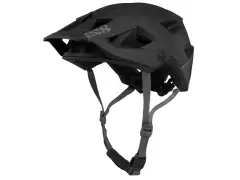
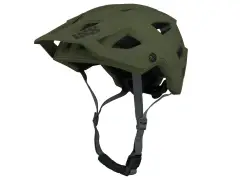
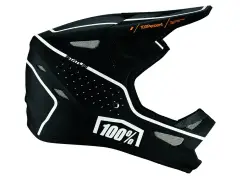
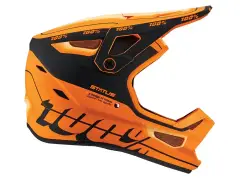
Your head is your most important asset. Whether at the skatepark, on the race track, or dirt jumping – the right helmet protects you from serious injury and gives you the confidence to try new tricks. Here you will find certified helmets that fit securely, are well-ventilated, and look stylish.
Helmets + Co. FAQ


Helmets + Co. - Newest Products

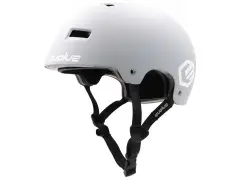
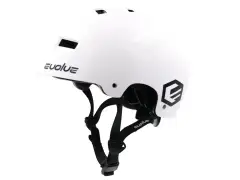
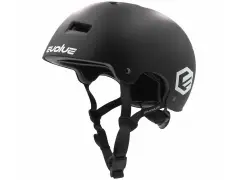
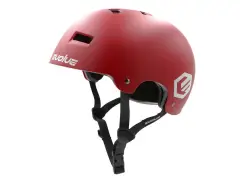
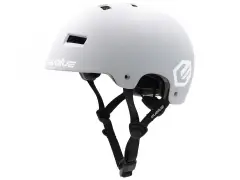
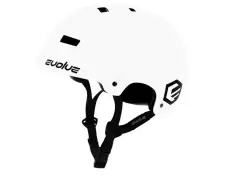
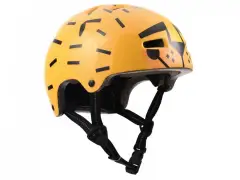
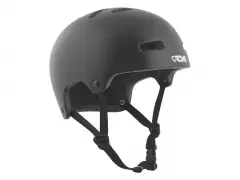
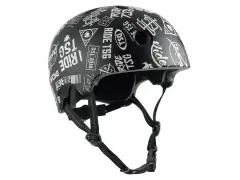
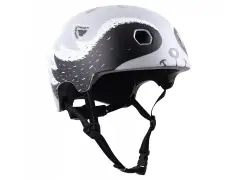
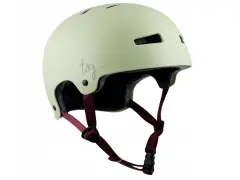
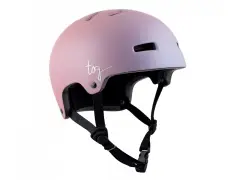
Helmets + Co. FAQ
Buying Guide: Which helmet suits my riding style?
The requirements for your helmet depend 100% on the discipline you ride. A racer needs different protection than a street rider. Here is our overview:
| Discipline | Recommended Helmet Type | Why? / Details |
|---|---|---|
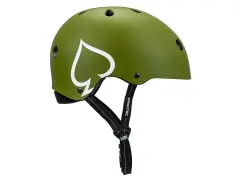
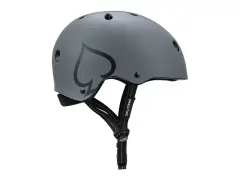
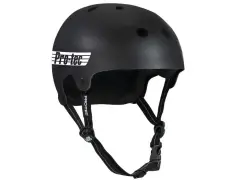
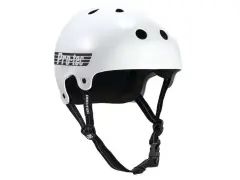
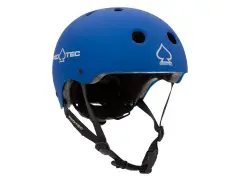
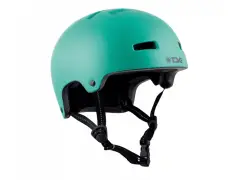
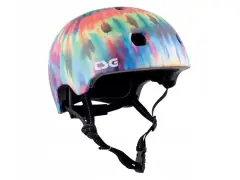
| BMX Street & Park | Half-Shell (Bowl Style) | The classic ("Skate Style"). The hard ABS outer shell withstands multiple small impacts (multi-impact capable on some models) and covers the back of the head deeply. Essential for crashes on concrete and ramps. |
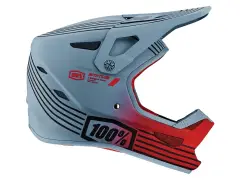
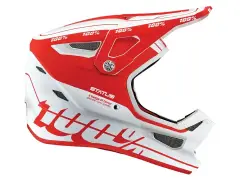
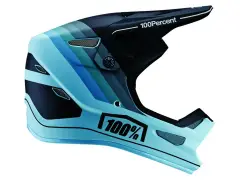
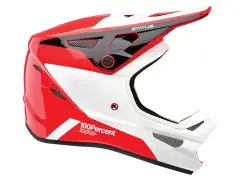
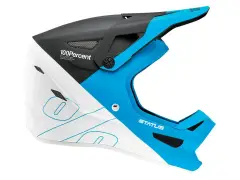
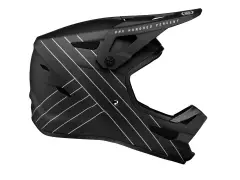
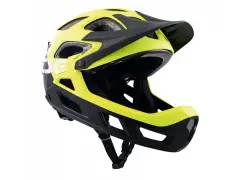
| BMX Race | Fullface Helmet | Mandatory on the track! You need a chin bar to protect your face during mass crashes and high speeds. Race helmets are usually lighter and better ventilated than motocross helmets. |
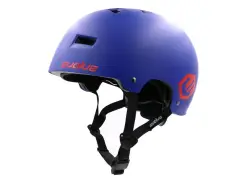
| MTB Dirt Jump & Street | MTB Half-Shell | Similar to the BMX helmet, but often with In-Mold technology (lighter) and better ventilation. Must fit tightly so it doesn't slip during hard landings. |
| BMX Trails | Half-Shell or Fullface | Depends on the size of the jumps. For relaxed lines, a half-shell is fine. For huge, technical "Pro Lines", many riders choose a Fullface for added safety. |
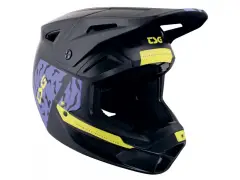
| MTB Slopestyle / Big Air | Fullface Helmet | For massive jumps and extreme tricks, face protection is essential. Modern Slopestyle helmets offer maximum field of view. |
| BMX Flatland | (No Helmet / Optional) | Traditionally, Flatland is often ridden without a helmet due to low speeds. Note: Beginners should still wear a light Half-Shell when learning new tricks. Safety first! |
How do I find the right size?
A helmet only protects if it fits. Here is how to measure correctly:
- Take a measuring tape and wrap it around your head approx. 1 cm above your eyebrows.
- Read the head circumference in centimeters (e.g., 56 cm).
- Compare the value with the manufacturer's specifications on the product page.
- The Shake Test: With the chin strap open, the helmet should not fall off your head when you lean forward and shake your head.