
Your region changed. Please be aware that prices, taxes and shipping-costs may be different now!
MTB Bars
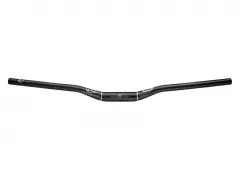
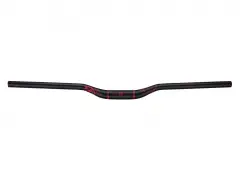
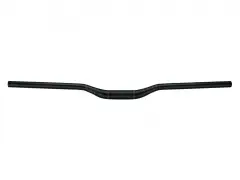
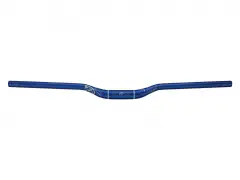
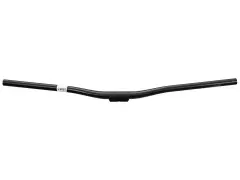
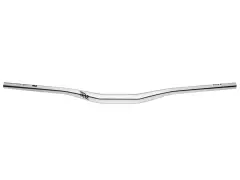
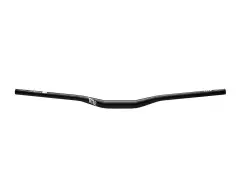
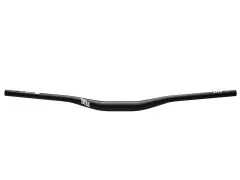
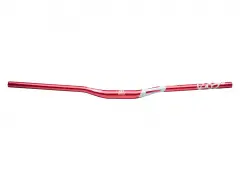
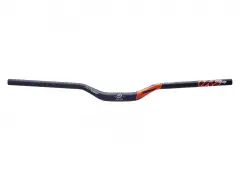
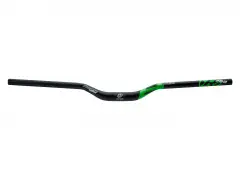
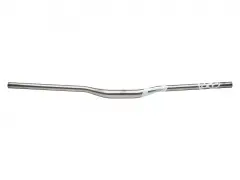
Your handlebars are your command center. In Dirt Jump and Street MTB, you need wide bars with plenty of rise for maximum control in the air and easier bunny hops. Discover extremely durable handlebars with 31.8mm or 35mm clamping that can withstand hard impacts without breaking.
MTB Bars FAQMTB Bars Range



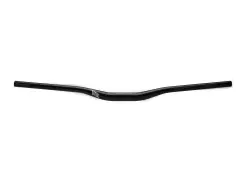
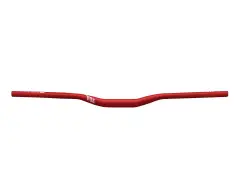
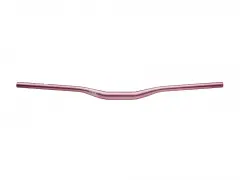
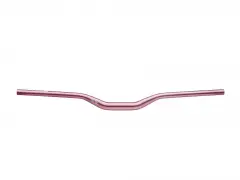
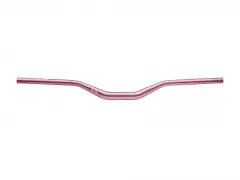
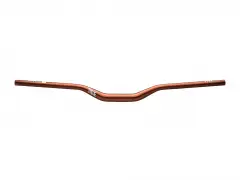


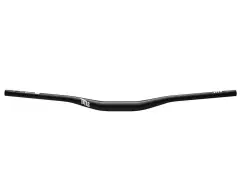
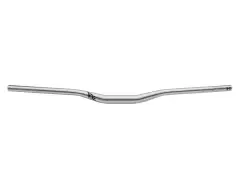
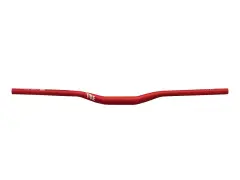
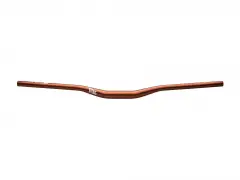
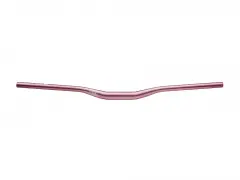
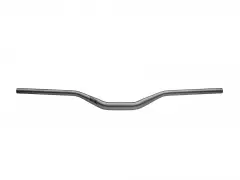
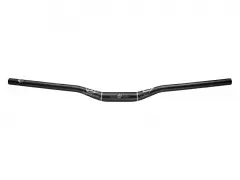
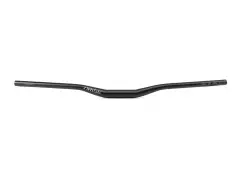
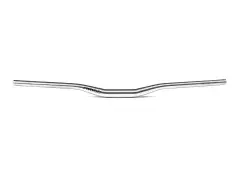

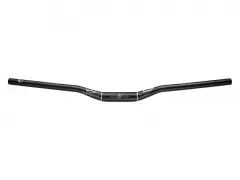
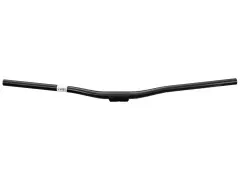
MTB Bars FAQ
What is an MTB handlebar and what is its main purpose?
The handlebar is your direct point of contact with the bike. It transmits your steering impulses and dictates your body posture. Especially in Dirt Jump and Slopestyle, a wide bar with the correct rise is crucial for keeping the bike stable in the air and landing safely.
How is an MTB handlebar constructed?
- Clamping Area
- The center of the bar that is gripped by the stem. Common standards are 31.8mm and the stiffer 35mm size.
- Grip Area
- The ends of the bar almost always have a diameter of 22.2mm so that standard grips and brake levers fit.
- Rise
- The vertical distance between the clamp center and the grip ends. More rise makes it easier to pull up the front wheel.
- Backsweep & Upsweep
- The bending of the bar backwards (backsweep) and upwards (upsweep) for an ergonomic wrist position.
What types are there?
- Aluminum Bars (7050 / 7075): The standard in gravity riding. These alloys are light but extremely resistant to bending and breaking.
- Carbon Bars: Offer better vibration damping and are lighter. However, in hard street riding, many riders prefer the fail-safe properties of aluminum (bends rather than snapping suddenly).
- High Rise Bars (35mm - 50mm+): Popular in Dirt Jump as they allow for a more upright position and make tricks like barspins and tucks easier.
How do I install an MTB handlebar?
- Clean the clamping surfaces of the bar and stem. Use assembly paste for carbon bars!
- Center the handlebar and tighten the stem faceplate hand-tight.
- Align the bar to your desired angle (check the markings).
- Tighten the stem bolts in a cross pattern to distribute tension evenly.
- Strictly use a torque wrench (usually 5-6 Nm) to avoid damage.
How do I maintain my handlebars?
- After crashes, check the bar for deep scratches or dents. A damaged aluminum bar should be replaced immediately (risk of breakage!).
- Replace aluminum bars proactively every few years, as the material fatigues under constant stress.
What do the specifications mean?
| Specification | Explanation | Examples/Available |
|---|---|---|
| Clamping | Diameter in the center. | 31.8mm, 35mm |
| Width | Total width (can be cut). | 800mm (Standard, often cut to 760mm) |
| Rise | Height of the grip position. | 25mm, 38mm, 50mm |
| Material | Material type. | 7075 T6 Aluminum, Carbon |