

Seats
Your seat determines not only your comfort but also your control over the bike during barspins and the overall weight of your setup. Whether you are looking for a fat Pivotal seat for clamping or a lightweight plastic seat for flatland – here you will find the perfect connection to your bike. Check our size charts and filter options below to find the style that fits your riding perfectly.
Seats FAQSeats Range


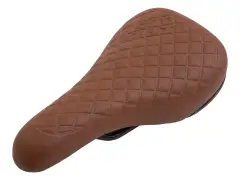



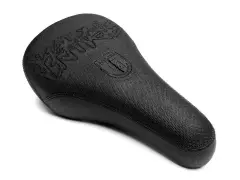

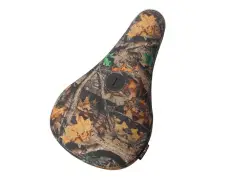
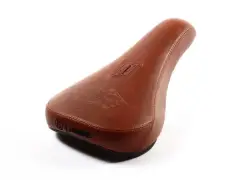
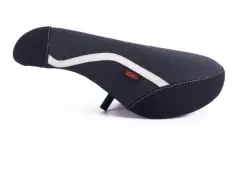
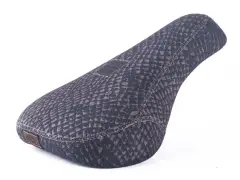
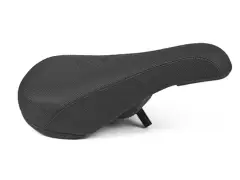
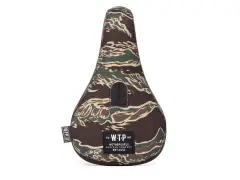
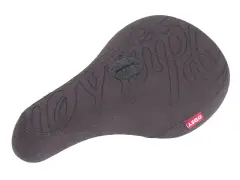
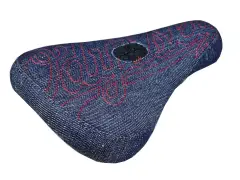
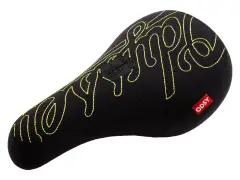

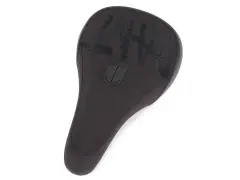





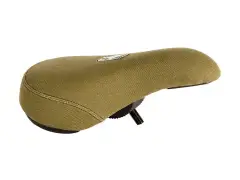
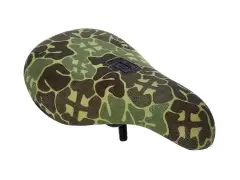
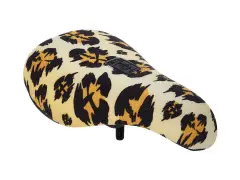
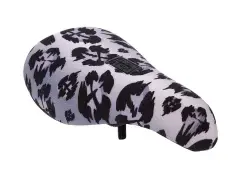
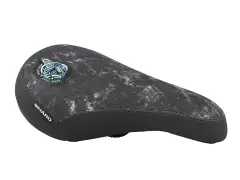
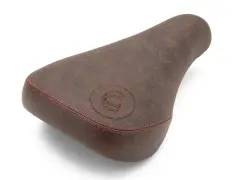
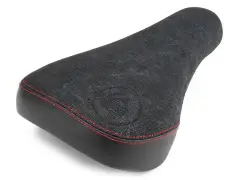
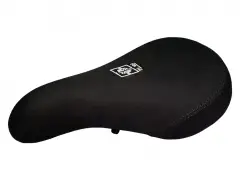


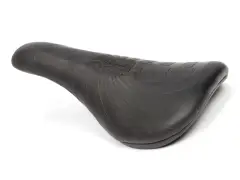
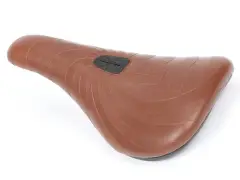
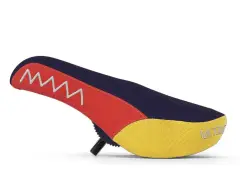

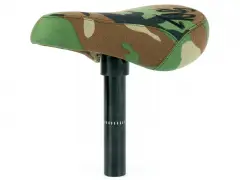
Seats FAQ
What is a BMX Seat and what is its main purpose?
A BMX Seat serves as the central contact point between you and your bike. While in other cycling disciplines it is primarily used for sitting, in BMX freestyle it often functions as a control element. It helps you stabilize the bike with your knees during barspins or catch it during air tricks. Of course, it also offers comfort during breaks between sessions.How is a BMX Seat constructed?
The construction varies depending on the system, but the basic components remain similar.- Base (Seat Pan)
- The hard plastic shell that gives the seat its shape and stability.
- Padding
- Foam material in various thicknesses (Slim, Mid, Fat) that determines the shape and comfort level.
- Cover
- The outer material (e.g., Kevlar, Vinyl) that protects the padding and determines the look.
- Mounting Bolt
- The connection to the seat post (mostly a hollow bolt for Pivotal/Stealth).
What types of BMX Seats are available?
We distinguish between the mounting system and the padding thickness.
The Systems:
- Pivotal
- The standard. A hollow screw goes through the seat cover into the post. Adjustable angle.
- Stealth Pivotal
- Looks cleaner because the screw is tightened from below (through the seat post). Adjustable angle.
- Tripod
- Three support points provide a very stable connection. Only two angle settings possible (via wedge), but lighter and cleaner look.
- Combo
- Seat and post are fused together. Extremely light, but angle not adjustable.
- Rail
- The classic system with two steel rails. Often used in Trails/Dirt for the classic look or because of the large adjustment range.
The Padding:
- Fat
- Thick padding. Perfect for Street and Park riders who clamp the seat with their knees (e.g., for Barspins).
- Mid
- The golden mean. Often used in all disciplines. Interestingly, some Flatland companies also offer Mid seats specifically for better grip during tricks.
- Slim
- Very thin padding. Popular in Trails and Flatland for maximum freedom of movement and low weight.
- Plastic
- No padding, pure hard plastic. Used almost exclusively in Flatland to minimize weight and friction.
Which materials are used for BMX Seats?
- Plastic / Nylon
- Used for the base shell and specifically for pure Flatland seats without a cover. Extremely robust against abrasion.
- Vinyl / Synthetic Leather
- The most common cover material. Easy to clean, looks like leather, and offers good grip.
- Kevlar
- Extremely tear-resistant and durable. Perfect if your bike often lands on the seat.
- Canvas / Cordura
- Textile fabrics that are very robust and offer a unique, grippy feel.
Which BMX Seat is right for my needs?
Your choice depends primarily on your personal taste. The following table serves merely as a recommendation.
| Riding Style | Recommendation | Why? |
|---|---|---|
| Street & Park | Fat Pivotal or Mid Tripod | You need volume to clamp the seat with your knees during barspins. Durability is key here. |
| Trails & Dirt | Slim or Rail | Here, the classic look counts. Rail seats are popular for their retro style, while Slim seats offer full freedom of movement. |
| Flatland | Plastic, Slim, or Mid | Plastic seats are light and allow for fast gripping. Some riders prefer Mid seats for better control during seat-grab tricks. |
| Weight Weenies | Combo | If every gram counts, the fused Combo unit is unbeatable. |
How do I install a BMX Seat?
- Preparation: Apply a little grease to the thread of the mounting bolt (not the post clamp!).
- Insert: Put the seat post into the frame and the seat onto the post.
- Access (Pivotal): Push the Allen key (usually 6mm) through the rubber slot on the top of the seat.
- Alignment: Set your desired angle. Note: Tripod seats only have two positions, Combo seats have none.
- Tightening: Tighten the bolt firmly, but do not overtighten it to avoid damaging the thread in the plastic base.
How do I maintain and care for my BMX Seat?
- Clean the cover: Wipe Vinyl with a damp cloth; brush off textile covers (Kevlar/Canvas) dry.
- Check tightness: A loose seat damages the teeth of the Pivotal system. Check the bolt regularly.
- Don't throw: Avoid throwing the bike unnecessarily on the seat to protect the cover.
How do I identify and fix common problems with my BMX Seat?
- Seat wobbles: Usually the main screw is loose. Tighten it. For Pivotal seats, check if the teeth on the post and seat are correctly interlocked.
- Seat angle changes while riding: The teeth of the Pivotal system might be worn out ("stripped") or the screw was not tight enough. If the teeth are gone, the seat usually needs to be replaced.
- Access slot torn: With older Pivotal seats, the rubber access patch can tear. This is cosmetic, but be careful not to damage the padding underneath.
What do the specifications mean?
| Spec | Explanation | Examples / Available |
|---|---|---|
| System | Determines how the seat is attached to the post. Must match the post! | Pivotal, Tripod, Stealth Pivotal, Combo, Rail |
| Padding | Thickness of the foam padding. | Slim (thin), Mid (medium), Fat (thick), Plastic (none) |
| Cover Material | Outer material of the seat. | Kevlar, Vinyl, Polyester, Plastic |