Rims

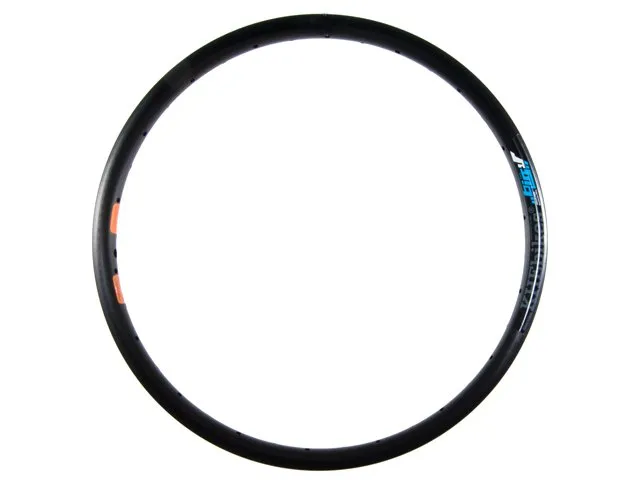
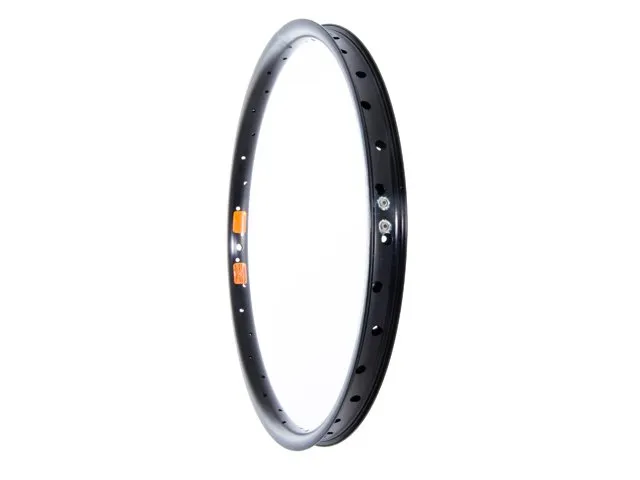
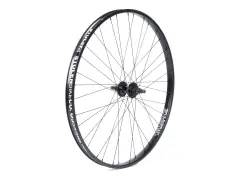
The rim is the backbone of your wheel and must withstand the hardest landings without immediately buckling. Whether you are looking for a lightweight aero rim for technical tricks or an indestructible street hoop with a welded seam – you will find the right foundation here. We stock double-wall rims in 36-hole designs that perfectly balance stability and weight.

Rims FAQ

Rims stuff

  • Manufacturer
  • Color
  • Connection

Rims FAQ

What is a BMX rim and what is its main purpose?

The rim is the outer ring of the wheel that holds the tire and takes the tension of the spokes. In Freestyle BMX, it must be extremely robust to withstand vertical impacts (landings) and lateral loads (spins, grinds) without bending.

How is a rim constructed?

Rim Bed
The inner area where the tire sits. The profile (cross-section) determines the stability.
Chambers
Modern BMX rims are almost always "Double Wall". This means there are two layers of aluminum, which massively increases stability compared to single-wall rings.
Sidewalls
The sides of the rim, which significantly determine stability and braking capability.

What types of rims are there?

We distinguish by construction, shape, and connection:
1. Construction

Single Wall
Consists of only one layer of aluminum. Very cheap and light, but not stable. Only suitable for kids' bikes (12"-18") or absolute beginners.
Double Wall
The standard in BMX. A second layer of aluminum inside creates a hollow chamber. This makes the rim extremely torsion-resistant and stable for jumps and grinds.
2. Shape (Profile)

Straightwall
The sidewalls are vertical. This is mandatory if you ride a rim brake so the brake pads can grip properly.
Aero (Rounded/Angled)
The sidewalls are pointed or rounded (like a roof). This shape is structurally very stable ("dome effect") but not suitable for rim brakes as the pads would slip off.
3. Connection (Joint)

Pinned
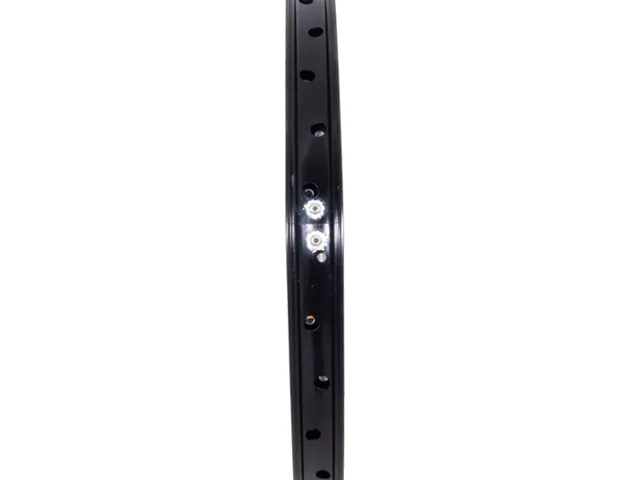
The ends are held together with steel pins inside. Solid and affordable.
Welded
The ends are welded together. The strongest and lightest solution for high-end riding.

What materials are used?

6061-T6 / 7075-T6 Aluminum
The proven standard alloys. 7075 is slightly harder and more resistant to dents.
Carbon
High-end material made of carbon fiber. Extremely stiff and ultralight. Particularly popular in Flatland and BMX Race, where every gram counts. Note: Carbon does not deform, it breaks when overloaded (very rare with high-quality parts).

Which rim is right for my needs?

Your riding style and budget decide here.
Riding Style Recommendation Why?
Street & Park (Pro) Welded, Double Wall, Width >34mm Maximum stability for grinds and high drops.
Flatland / High-End Carbon or lightweight Aero Alloy Rim Minimal rotational mass for fast spins and balance.
Allround / Budget Pinned, Double Wall Good price-performance ratio for everyday riding.
With Brake Straightwall (Chrome optional) Only straight sidewalls offer full braking power. Chrome plating improves braking force massively.

How do I lace a rim?

Lacing is an art in itself. Here is the short version:
  1. Prepare the spokes, hub, and rim. Ensure correct spoke length!
  2. Thread the spokes in a specific pattern (usually 3-cross) through the hub flanges and rim holes.
  3. Screw the nipples on loosely.
  4. True the wheel in a truing stand by gradually increasing tension and correcting lateral wobbles ("tacos") and hops.

How do I maintain and care for rims?

  • Regularly check spoke tension. Loose spokes quickly lead to a bent rim.
  • Clean the rim sidewalls if you use a brake to maintain braking power.
  • Check the rim bed for cracks, especially around the spoke holes.

How do I identify and fix common problems?

  • Lateral Wobble (True): The rim wobbles side to side. Tighten the spokes on the side opposite the wobble slightly.
  • Dents in the sidewall: Often happens with street riders. Small dents are usually not a problem; sharp edges should be sanded down so the tire doesn't burst.

What do the specifications mean for rims?

Specification Explanation Examples / Available
Holes Number of spoke holes. Must match the hub exactly. 36 Holes (BMX Standard)
Width The outer width of the rim. Wider rims make the tire more stable ("fatter"). 30mm to 38mm
Height How tall the rim wall is. Taller rims are often stiffer. 15mm to 20mm
Joint How the rim was closed. Pinned, Welded
/* Explanation Add on Script for Beginner & Kids Bikes */

Recently Viewed Products