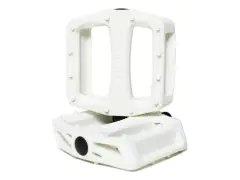
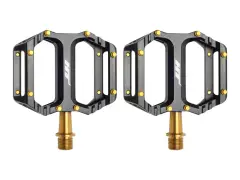
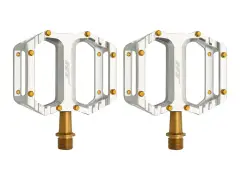
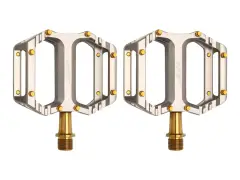
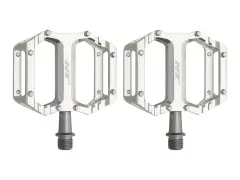
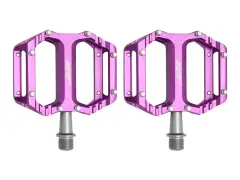
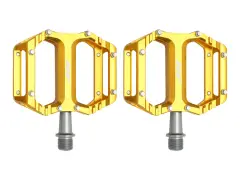
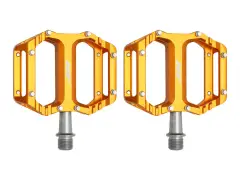
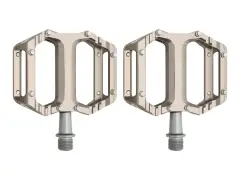
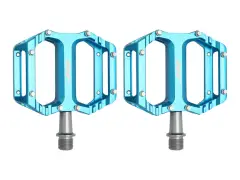
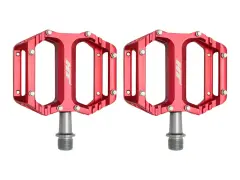
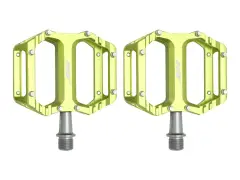
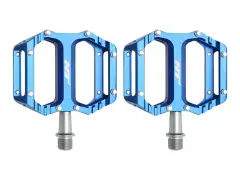
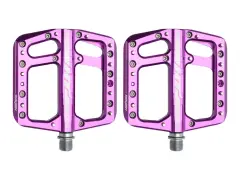
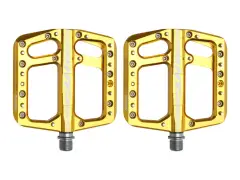
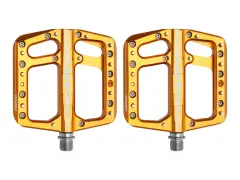
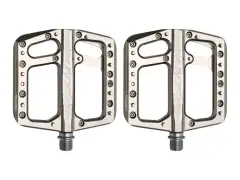
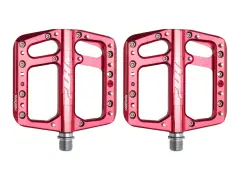
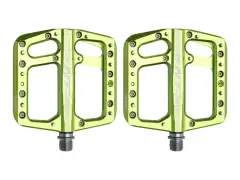
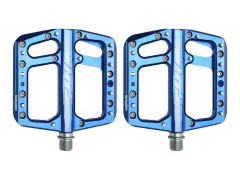
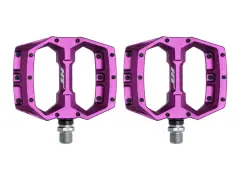
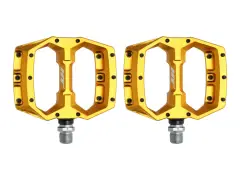
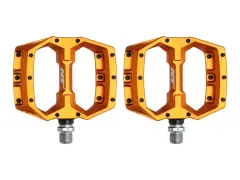
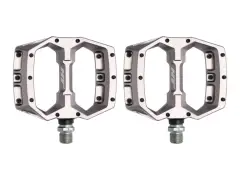
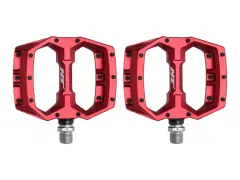
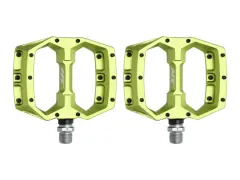
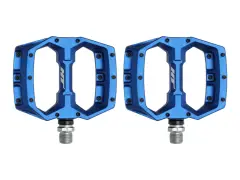
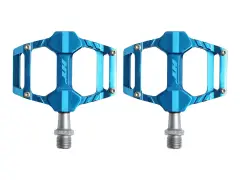
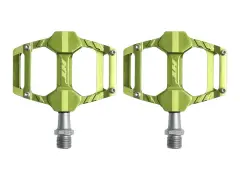
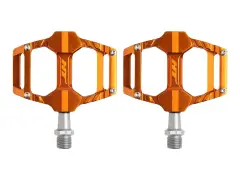
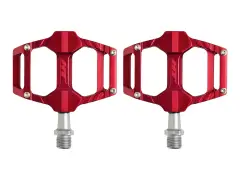
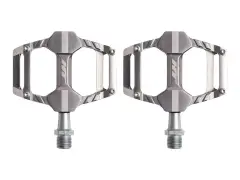
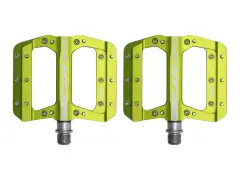
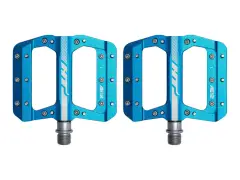
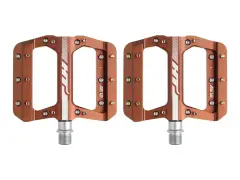
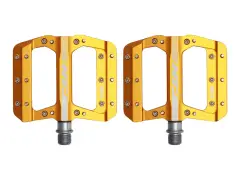
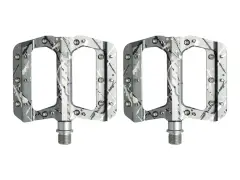
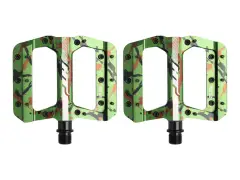
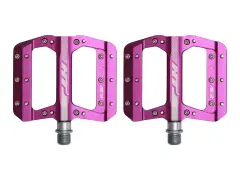
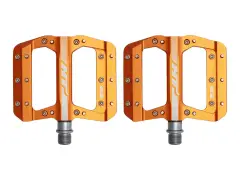
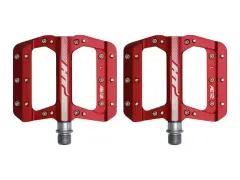
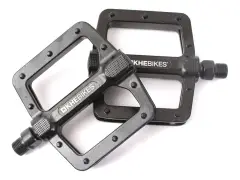
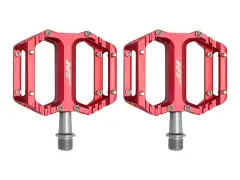
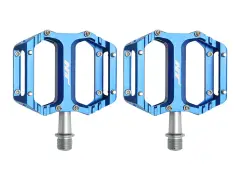
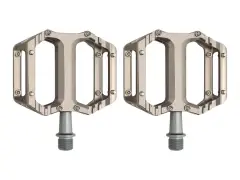
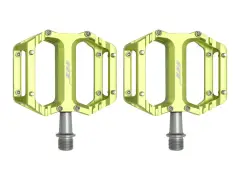
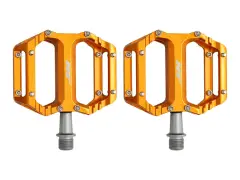
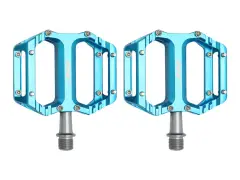
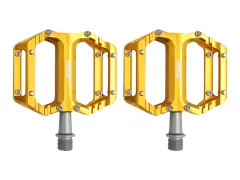
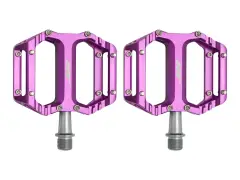
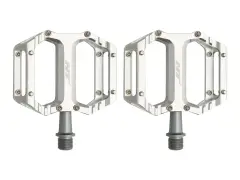
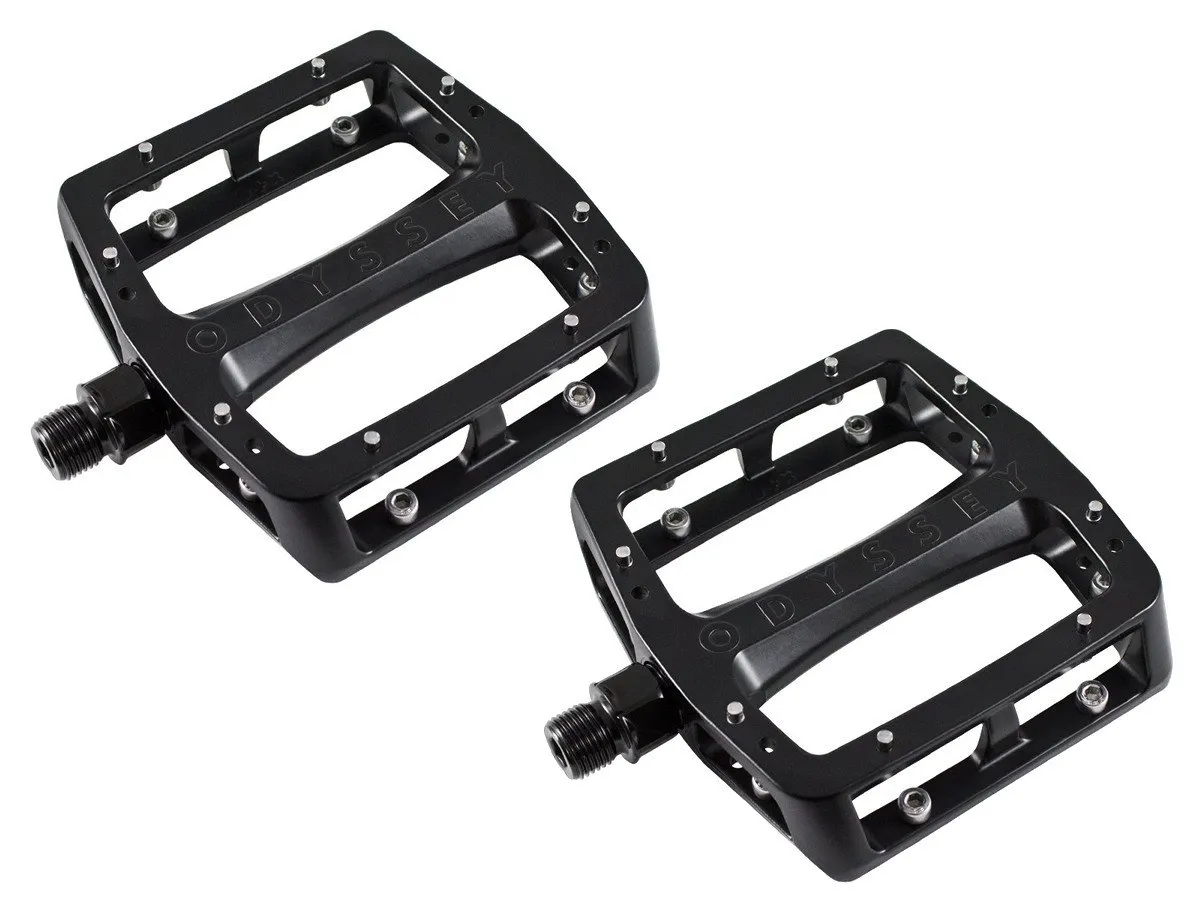
Odyssey BMX "Grandstand V2 Alloy" Pedals
This product is currently sold out. The date of new availability is unknown. Show similar products
-
Weight : 0.51kg / 1.12lbs
Weight
The heaviness of a BMX part, measured by weighing. It's worth noting that weight specifications for BMX parts can vary and may not always be precise. Several factors contribute to this:Manufacturer's weight specifications may be inaccurate or incomplete.The weight of two identical parts can also differ.We cannot weigh every individual part.For example, if there are handlebars in different heights, the manufacturer usually provides just one weight specification for all heights. When weighing two identical tires, you might get two different results.Source: BMX Glossary
- Packaging Unit: Pair
- Product ID (PID): 17896
- Product safety
Found an error? Report it. 5 EUR voucher if confirmed.
The
Odyssey BMX "Grandstand V2 Alloy" Pedals
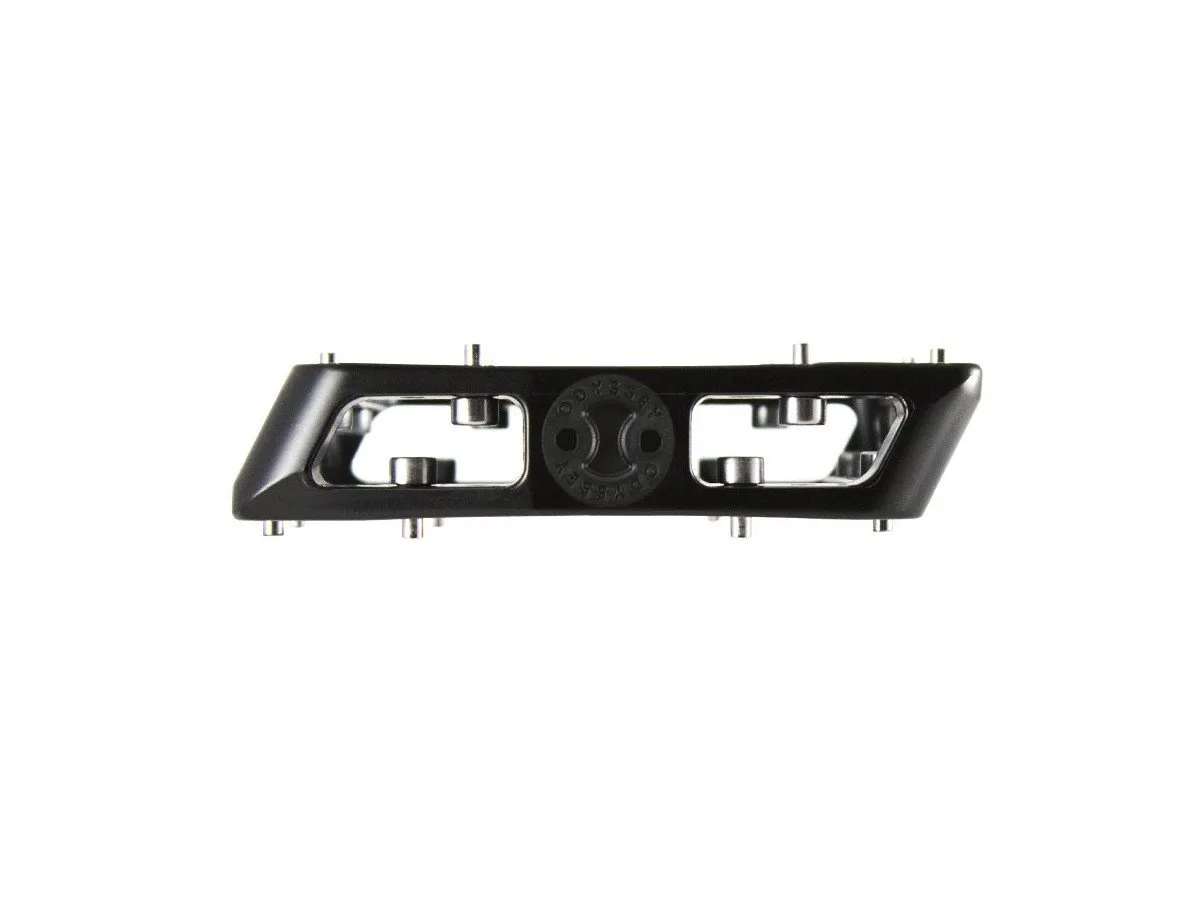
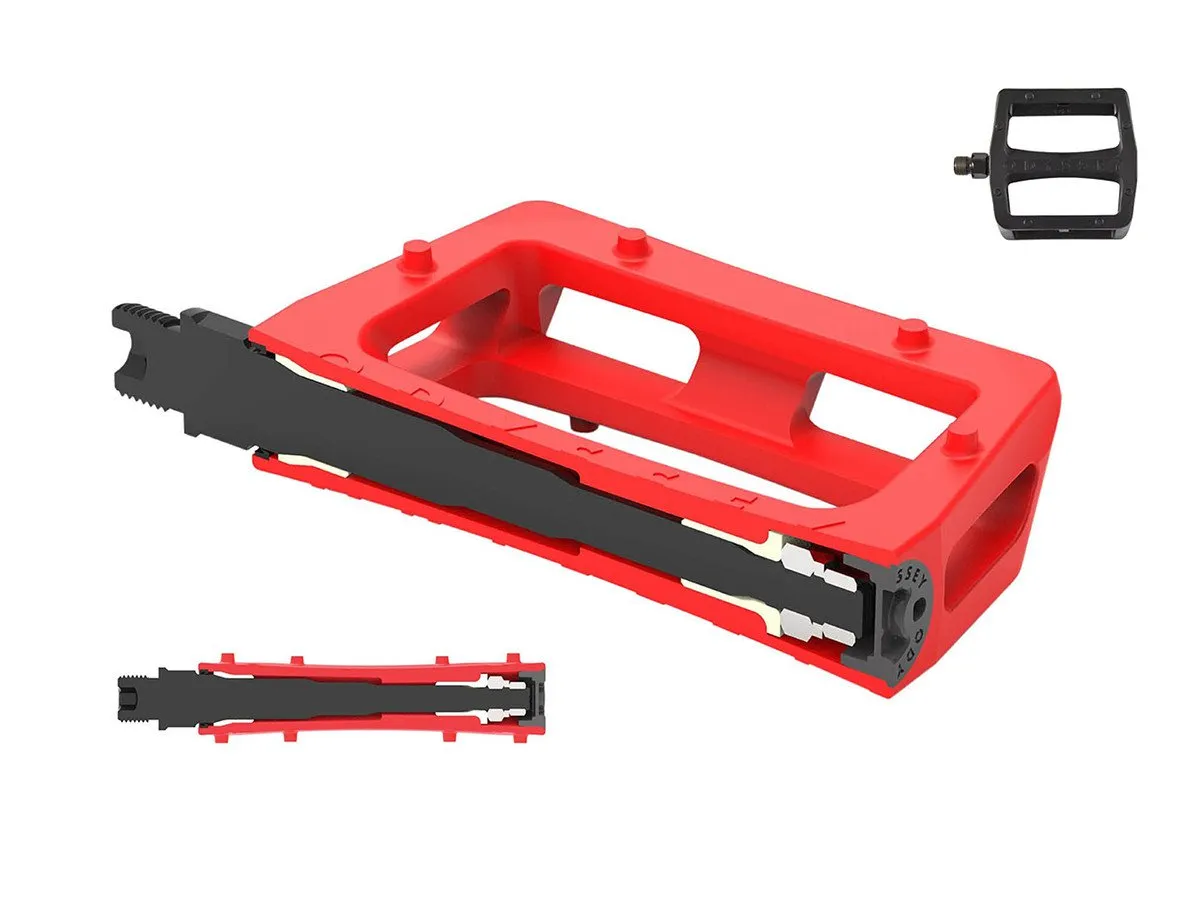
comes with a redesigned internal configuration with an updated bushing system to reduce axial movement.
The
Odyssey BMX "Grandstand V2 Alloy" Pedals
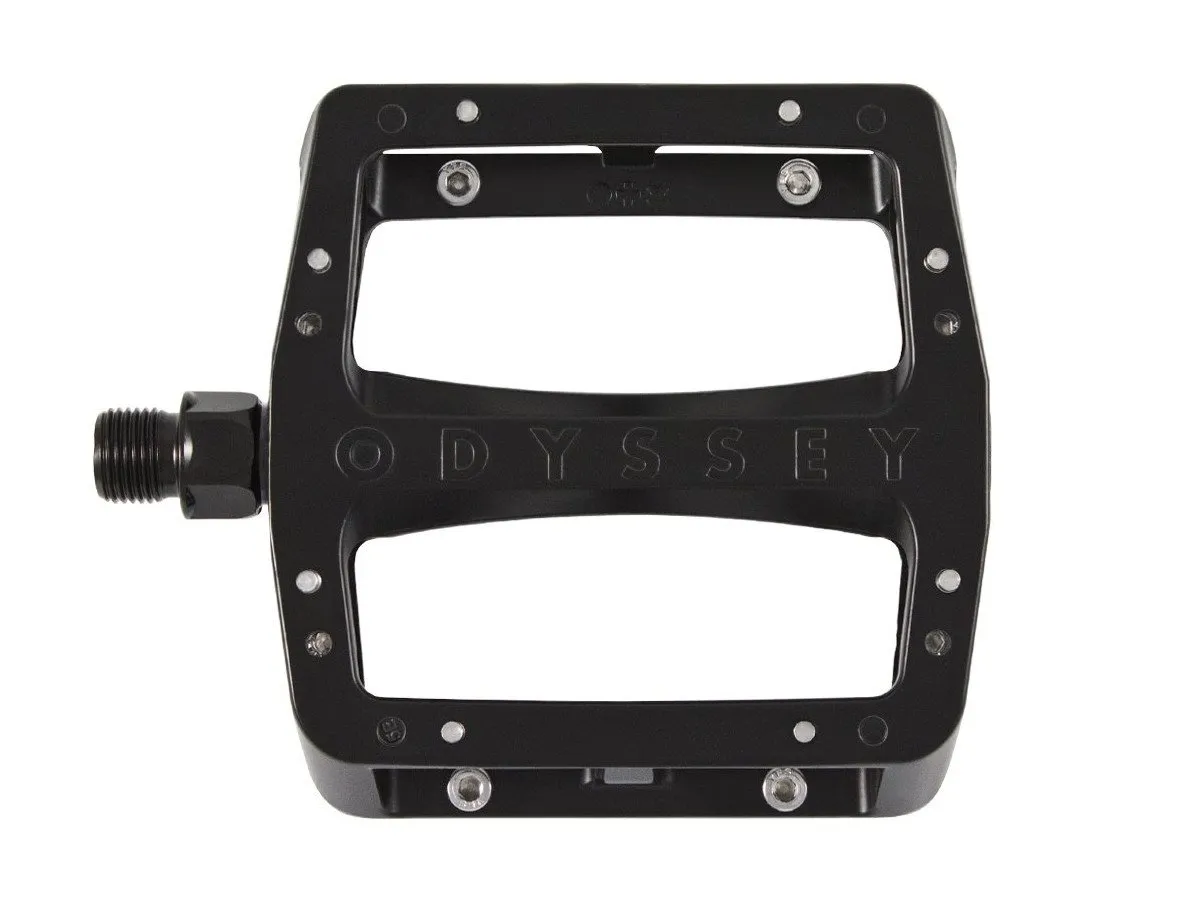
are Tom Dugan's signature pedals and provide you with a large concave slim designed tread a good stand feeling and great grip. The
Odyssey BMX "Grandstand V2 Alloy" Pedals
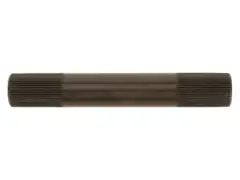
have been equipped with a highly stable 14mm wide CrMo axle to ensure maximum stability and get installed with a 17mm wrench on the crank arms.
Facts: Odyssey BMX "Grandstand V2 Alloy" Pedals
- Material:
- Pedal Body: Aluminum, 105mm wide
- Axle: 4130 CrMo, heat treated, 14mm, 17mm Wrench - Thread Size: 9/16", for 3-pc. cranks
- Bearing: Loose Ball
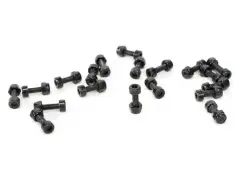
- Extras: Tom Dugan signature slim platform design with large concave tread, 8 wide replaceable steel pins, redesigned internal configuration with an updated bushing system to reduce axial movement