Frames

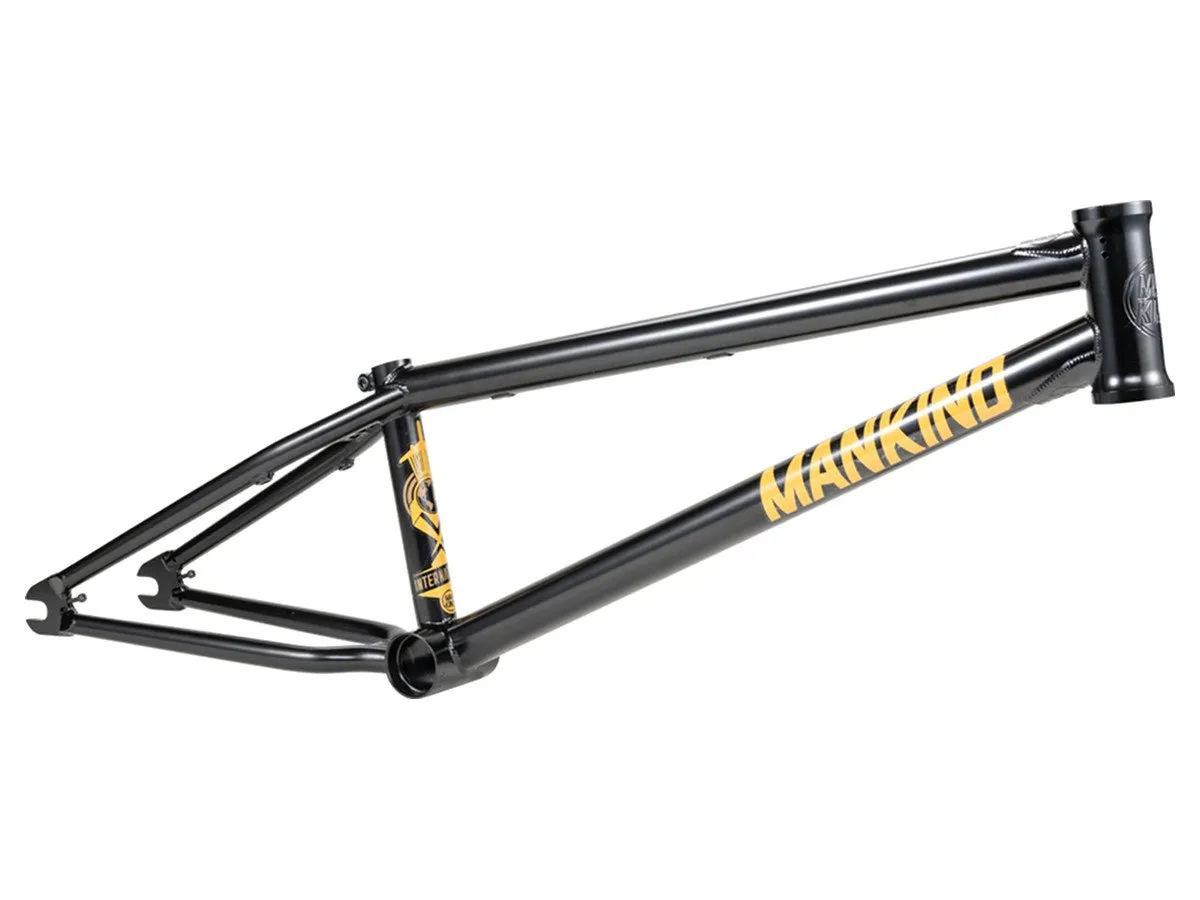
The BMX frame is the heart of your setup, defining the geometry, stability, and overall feel of your ride. Whether you need a responsive street frame, a stable park or trails machine, or a specialized flatland frame – our guide below helps you choose the right top tube length and geometry.

Frames FAQ

Frames stuff

  • Manufacturer
  • Color
  • Top Tube Length

Frames FAQ

What is a BMX Frame and what is its main purpose?

The BMX frame is the central component of your bike, connecting all other parts like the fork, wheels, and drivetrain. It determines the character of your bike: A short rear end makes it agile for spins, while a longer wheelbase provides stability at high speeds. Most high-quality frames are made from 4130 Chromoly (CrMo) steel to withstand the extreme loads of freestyle riding.

How is a BMX Frame constructed?

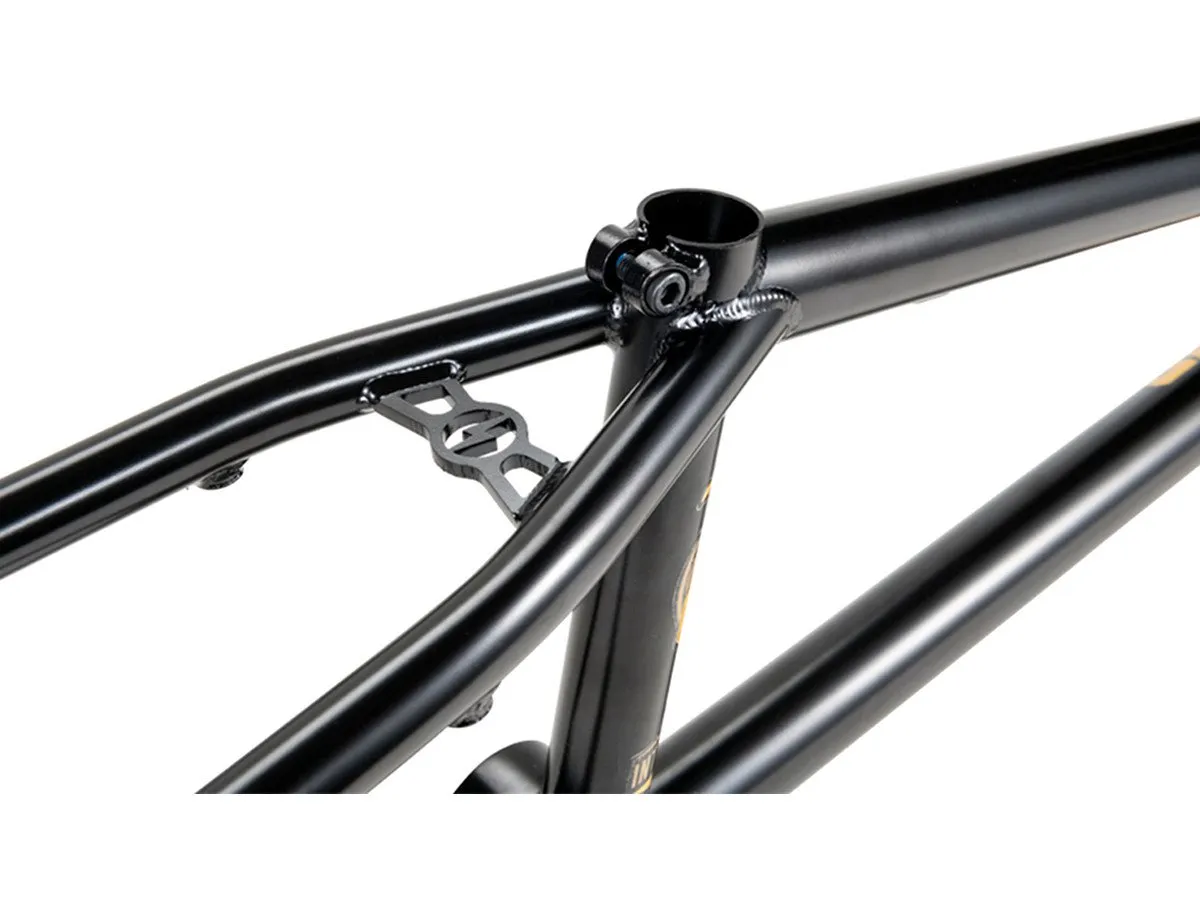
Top Tube (TT)
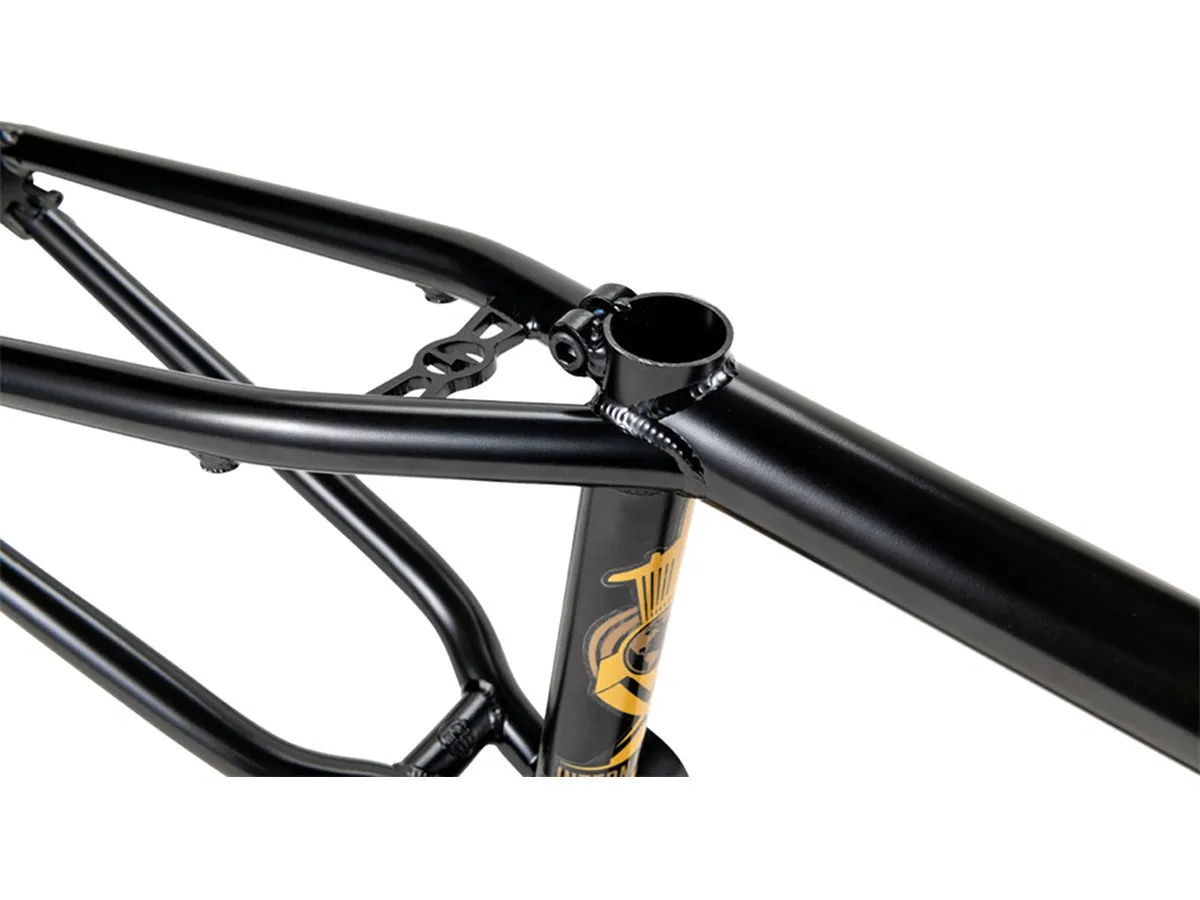
The upper tube connecting the head tube and seat tube. Its length (e.g., 20.5" to 21.25") is the most important size indicator.
Head Tube
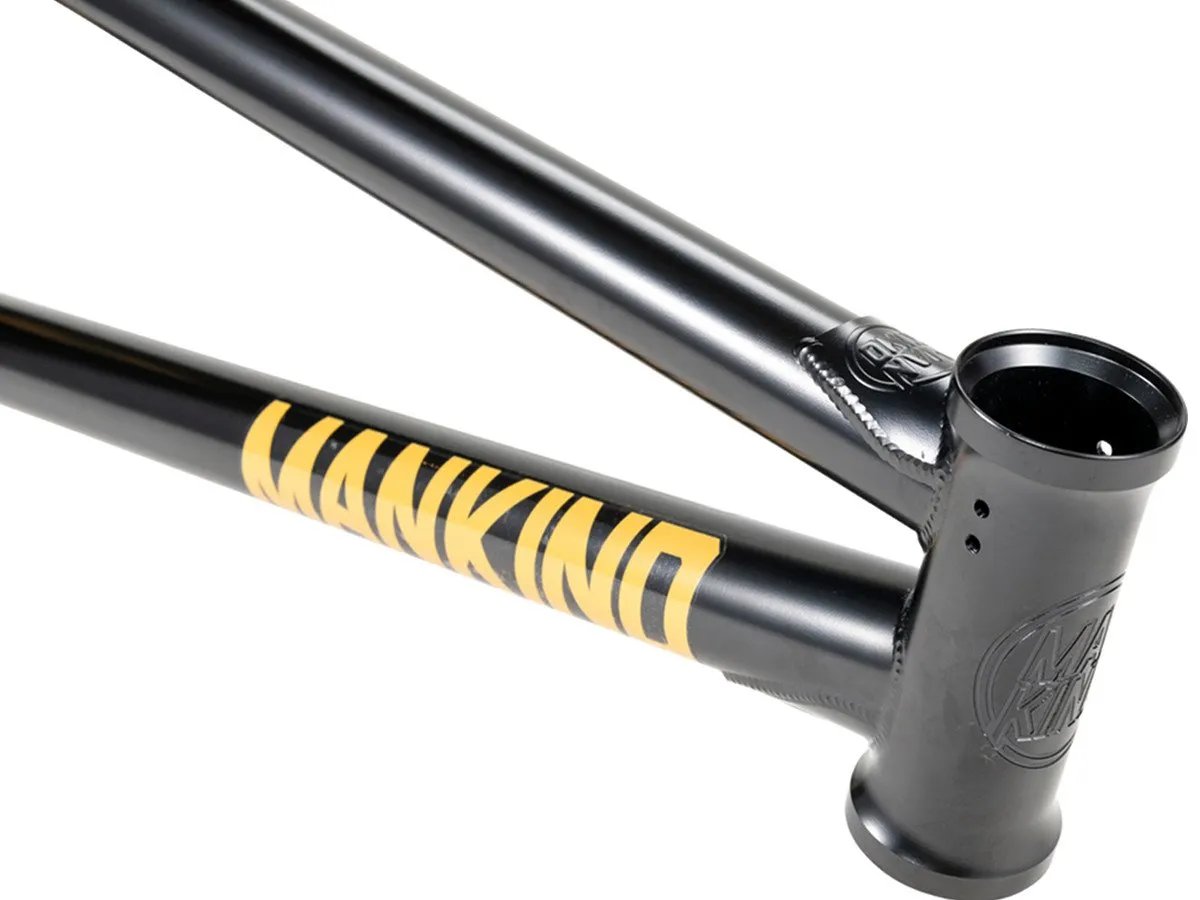
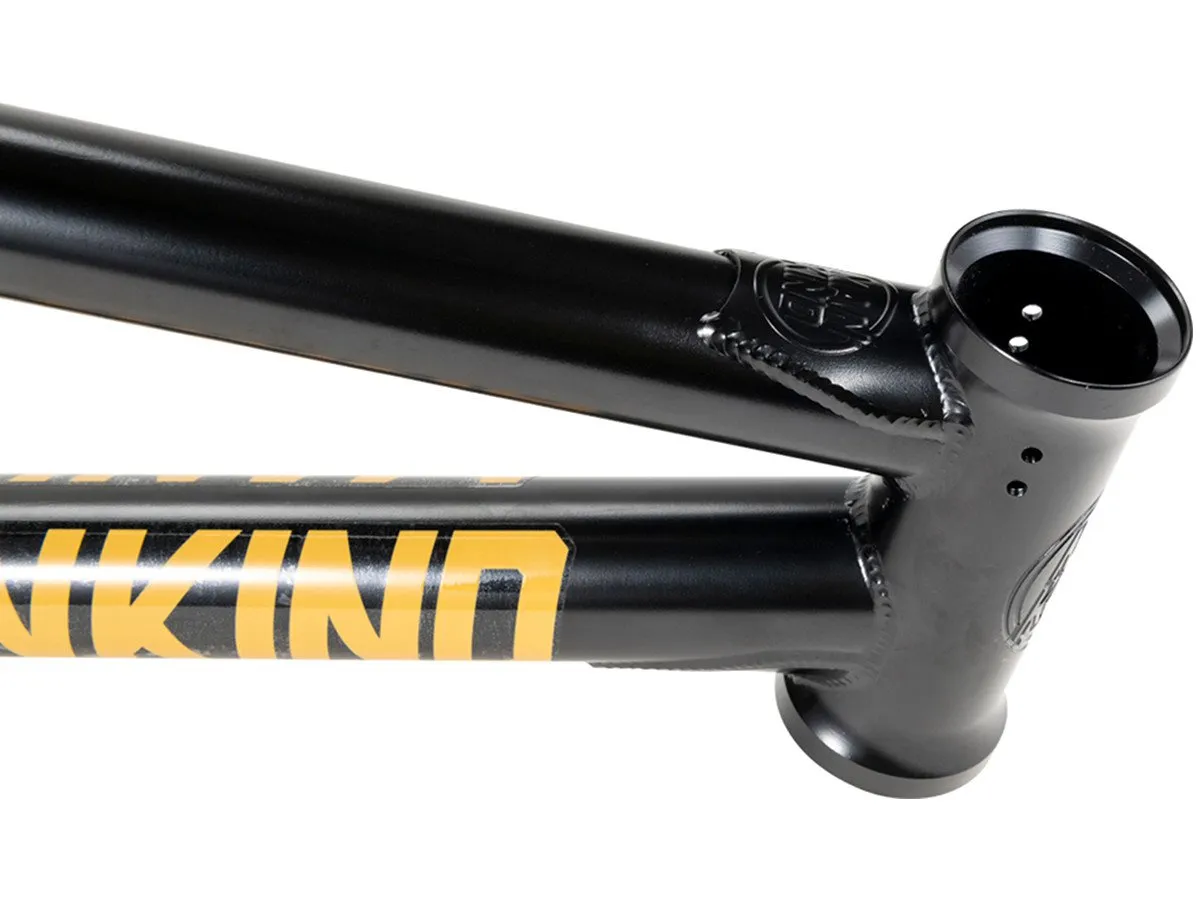
Houses the headset bearings. The angle (e.g., 75° or 75.5°) defines steering responsiveness. Steeper angles make nose manuals easier.
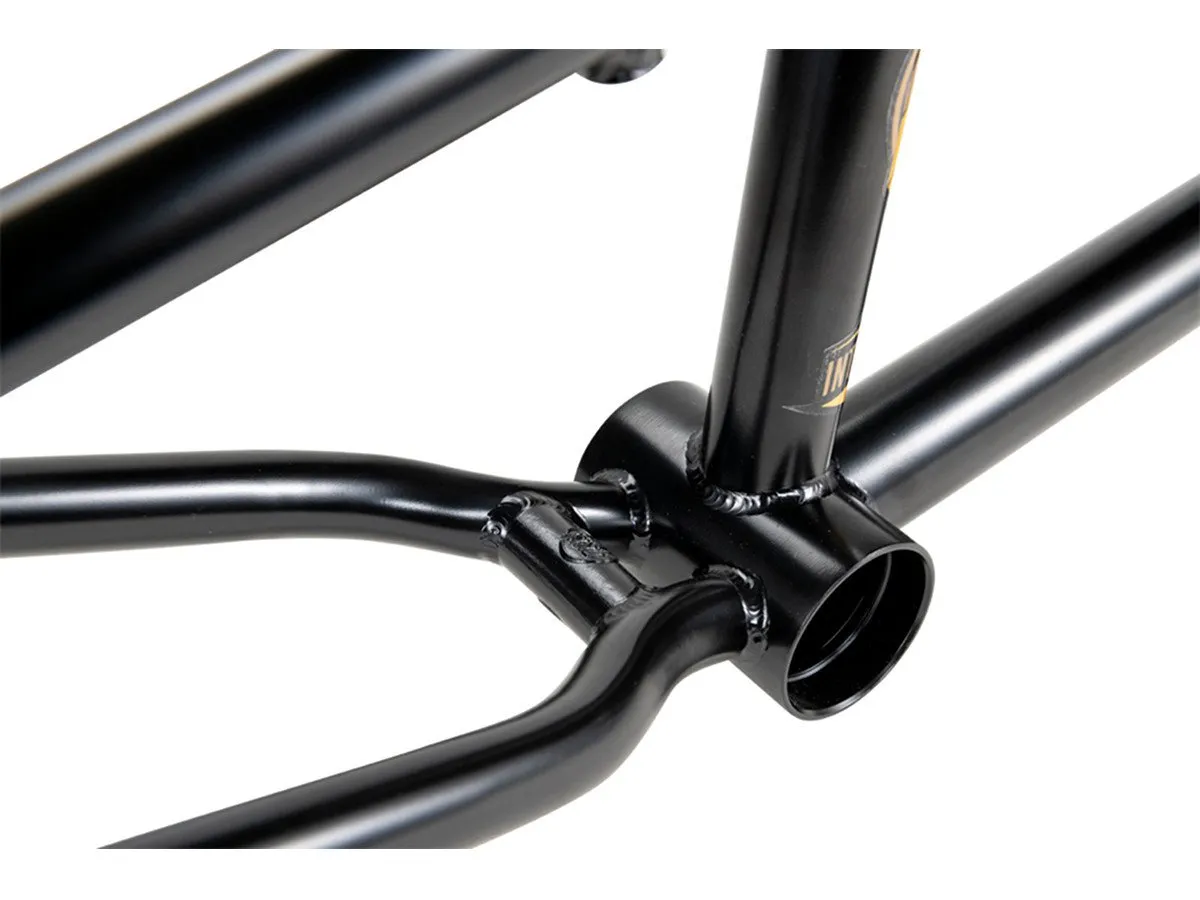
Chainstays (CS)
Run from the bottom bracket to the rear dropouts. Short chainstays (e.g., 12.75") make the bike very responsive and easier to manual.
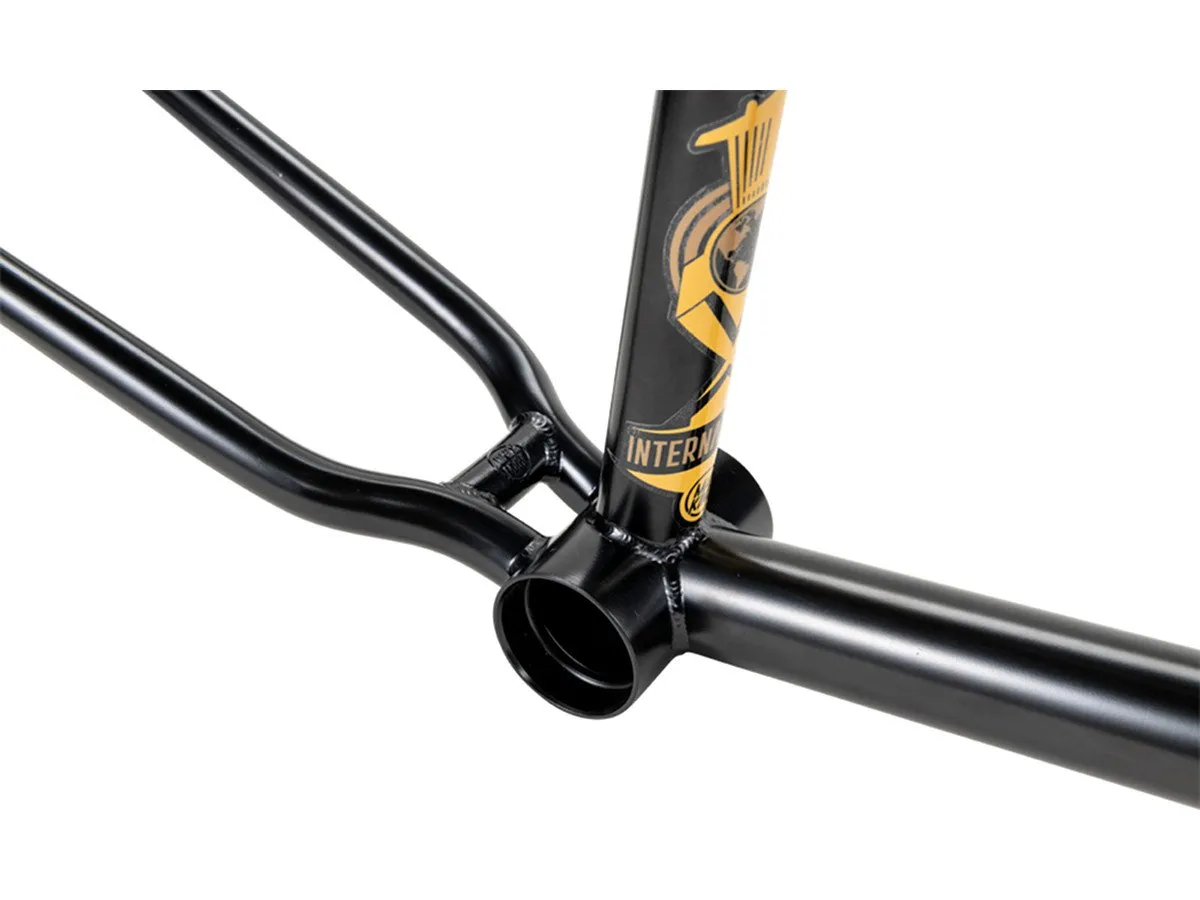
Bottom Bracket (BB) Shell
Holds the bottom bracket bearings (usually Mid BB). The height affects the center of gravity and clearance.
Dropouts
Where the rear wheel axle (usually 14mm) attaches. Often heat-treated for extra strength.

What types and materials are there?

Street Frames
Often feature a steep head tube angle (75° oder mehr), short chainstays (13" or shorter), and a higher standover. Built to be robust and agile for technical riding.
Park Frames
Often have a lower standover height for tricks like tailwhips and are built as light as possible without sacrificing stability.
Dirt/Trails Frames
Feature a longer rear end and a slacker head tube angle (approx. 74.5°) for maximum stability in the air and at high speeds.
Flatland Frames
Designed specifically for ground tricks, usually featuring a shorter top tube, shorter rear end, and specific geometry for balance and clearance.
Titanium
A high-end material that is lighter than steel but just as strong and corrosion-resistant. Due to the complex manufacturing process, it is usually significantly more expensive and rarer.
4130 CrMo
The standard for quality BMX frames. An alloy of steel, chromium, and molybdenum that is light yet extremely tensile.
Hi-Ten Steel
Found on entry-level bikes. Heavier and softer than CrMo, not recommended for aftermarket frames.
Heat-Treated
Many high-end frames undergo a heat treatment process after welding to make the material even harder and more resistant to dents.

Which BMX Frame is right for my needs?

The most important factor is the Top Tube Length relative to your body height. A frame that fits correctly allows for better control and easier learning of tricks.

Note regarding Riding Style: If you ride Flatland, you generally choose a shorter top tube than recommended below to ensure maximum maneuverability. For Dirt or Trails, riders often prefer a slightly longer top tube for better stability at high speeds.

Body Height Recommended Top Tube Length
145cm - 155cm 19.0" - 19.5"
155cm - 165cm 20.0" - 20.5"
165cm - 175cm 20.5" - 21.0"
175cm - 185cm 21.0" - 21.25"
> 185cm > 21.25"

How do I install a BMX Frame?

  1. Preparation: Clean the BB shell and head tube. Grease the bearing seats lightly.
  2. Bearings: Press the bottom bracket and headset bearings into the frame (carefully!).
  3. Fork & Cockpit: Slide the fork through the head tube, install the stem, and tighten the top bolt to preload the headset.
  4. Drivetrain: Install the cranks, sprocket, and chain.
  5. Wheels & Brake: Mount the wheels and install the brake if needed.

How do I maintain and care for my BMX Frame?

  • Inspect Welds: Regularly check the welds (especially at the head tube and chainstays) for hairline cracks.
  • Prevent Rust: If you have a "Raw" frame (clear coat only), treat it occasionally with oil or wax to prevent rust spiders.
  • Tighten Bolts: Check all bolts attached to the frame (seat clamp, wheel nuts) regularly.

How do I identify and fix common issues?

  • Creaking Noises: Often come from the bottom bracket or headset. Clean and grease the bearings and contact surfaces.
  • Dents: Can happen from grinding. Small dents are usually not critical, but sharp creases or cracks mean the frame should be replaced.
  • Loose Headset: If the fork wobbles, loosen the stem side bolts, tighten the top bolt, and then re-tighten the stem side bolts.

What do the specifications mean for BMX Frames?

Spec Description Examples / Available
Top Tube (TT) Length of the upper tube. Determines the "size" of the bike. 20.5", 20.75", 21.0", 21.25"
Chain Stay (CS) Length of the rear end. Shorter = more agile/spinny; Longer = more stable. 12.75" (ultra short) to 13.75" (stable)
Head Tube Angle (HA) Steepness of the fork. Steeper = more responsive steering (Nose Manuals). 75°, 75.5°, 76° (steep)
Seat Tube Angle (SA) Angle of the seat tube. 71° (Standard), 69.5°
BB Height Distance from BB center to ground. Higher = more clearance for grinding. 11.5", 11.7", 11.8"
Standover (SO) Height of the top tube from the BB center. Lower is better for tailwhips. 7.5" (low) to 9.5" (high)
Material The steel used. 100% 4130 CrMo, Heat-Treated, Sanko Tubing
Brake Mounts Are U-brake mounts available/removable? Removable, Welded, Brakeless (none)
/* Explanation Add on Script for Beginner & Kids Bikes */